

A fuel credit card is a co-branded payment card linked with petrol companies like IndianOil (IOCL), Bharat Petroleum (BPCL), or Hindustan Petroleum (HPCL). The goal is straightforward — reduce what you spend on petrol and diesel without changing how often you drive.
There isn’t one single “best” fuel credit card for everyone. The right card mainly depends on which fuel station you normally visit and how much you spend on fuel every month.
When you swipe a regular credit card at a petrol pump, banks usually charge about a 1% fuel surcharge plus GST. Fuel credit cards waive this charge and also give reward points or cashback — typically equal to about 2% to 8% value — which can later be redeemed as free fuel.
In simple terms, your driving distance stays the same, but your annual fuel expense goes down because the payment method becomes smarter.
Main Benefits You Actually Receive
- 1% fuel surcharge waiver on most petrol transactions
- Reward points or cashback are redeemable as free fuel
- Higher rewards at partner petrol pumps
- Annual fee waiver after reaching spending milestones
- Savings on daily commuting expenses
- Extra rewards on groceries, utility bills, or UPI payments
- Helps build credit history and improve CIBIL score
Which Type of Fuel Credit Card Should You Choose?
1. Entry-Level Cards (Fees: ₹199 – ₹500)
- Easier approval and lower income requirement
- Good starting option for building a credit history
2. Mid-Level Cards (Fees: ₹500 – ₹1,000)
- Higher reward limits and better redemption value
- Often includes grocery or bill payment rewards
3. Premium Fuel Cards (Fees: ₹1,499 – ₹10,000+)
- Best suited when monthly fuel spending exceeds ₹10,000
- Higher overall value-back on fuel purchases
- Additional benefits like travel perks and lounge access
(1.) Best Entry-Level Fuel Credit Cards in India (₹199–₹500 Fee)
Entry-level fuel credit cards are designed for everyday commuters — especially bike riders, small car owners, students, and first-time credit card users. The idea is simple: even with low fuel spending, you still receive noticeable savings.
These cards work best when monthly petrol spending is around ₹2,000 to ₹5,000. Instead of travel perks, they focus on practical benefits like surcharge waiver and reward points that convert directly into free petrol.
What does “Entry-Level Card” actually mean? – Banks classify a card as entry-level when approval requirements are easier — salary eligibility is usually ₹15k–₹25k per month, credit history can be new (around 725+ score), and the annual fee stays under ₹500. You can also read card classifications here → Credit Card Types & Eligibility Guide
Quick Tip: If your fuel usage is low, premium cards rarely give extra benefits. Because most fuel cards have monthly reward caps, a ₹2,500 petrol user and a ₹10,000 petrol user often earn similar rewards, which makes entry-level cards more profitable for light commuters.
1. IndianOil HDFC Bank Credit Card
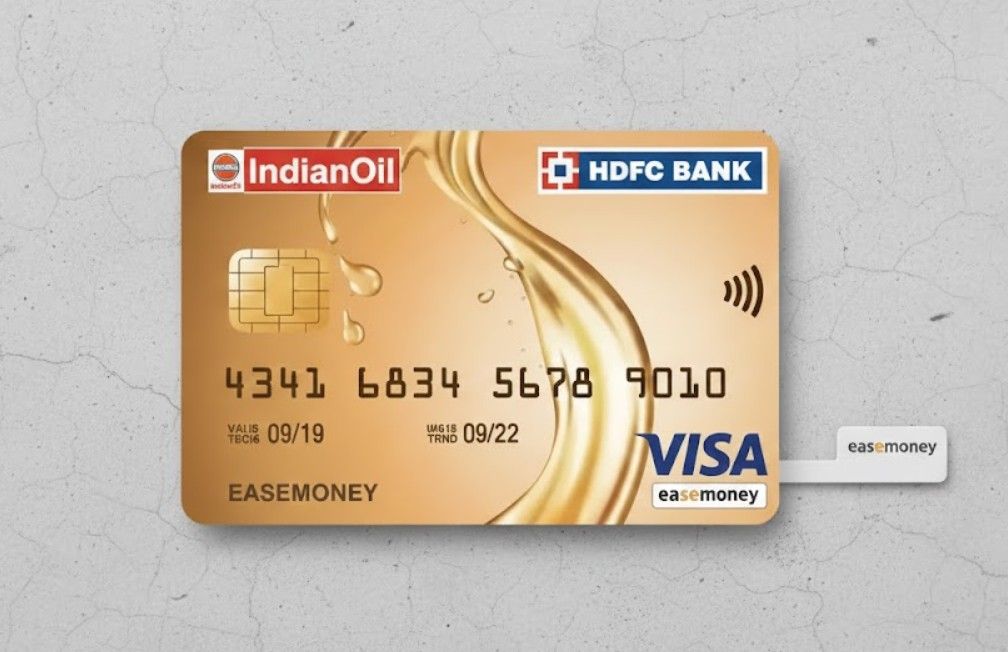
This is probably the most balanced entry fuel card in India. It is not only a petrol card — it behaves like a household savings card because utility bill payments also earn accelerated rewards.
- ~5% fuel points at IndianOil petrol pumps
- 5% rewards on electricity, broadband and grocery spends
- Reward value: 1 Fuel Point ≈ ₹0.96 as free petrol
- Monthly cap: 150–250 fuel points, depending on period
- Annual fee waiver after ₹50,000 yearly spending
- 1% surcharge waiver on eligible fuel transactions
Tip: Pay electricity and mobile bills with this card. Many users recover ₹2,000–₹3,000 yearly without increasing spending.
2. BPCL SBI Card
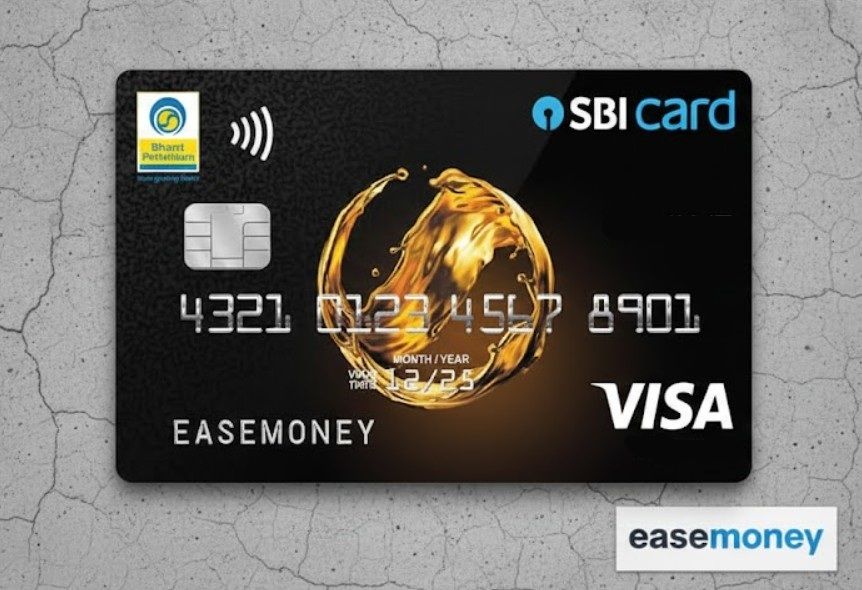
This SBI BPCL card is simple to understand. Instead of converting points in an app, you can directly redeem rewards at many BPCL pumps while refuelling.
- ~4.25% effective savings (reward points + surcharge waiver)
- 1,300 reward points cap per billing cycle
- Welcome bonus roughly equal to the joining fee
- 5X rewards on groceries and dining
- Instant redemption at select BPCL stations
Easemoney Tip: If your daily route has a BPCL pump, this card is easier to manage than most fuel cards because redemption is immediate.
3. IndianOil Axis Bank Credit Card
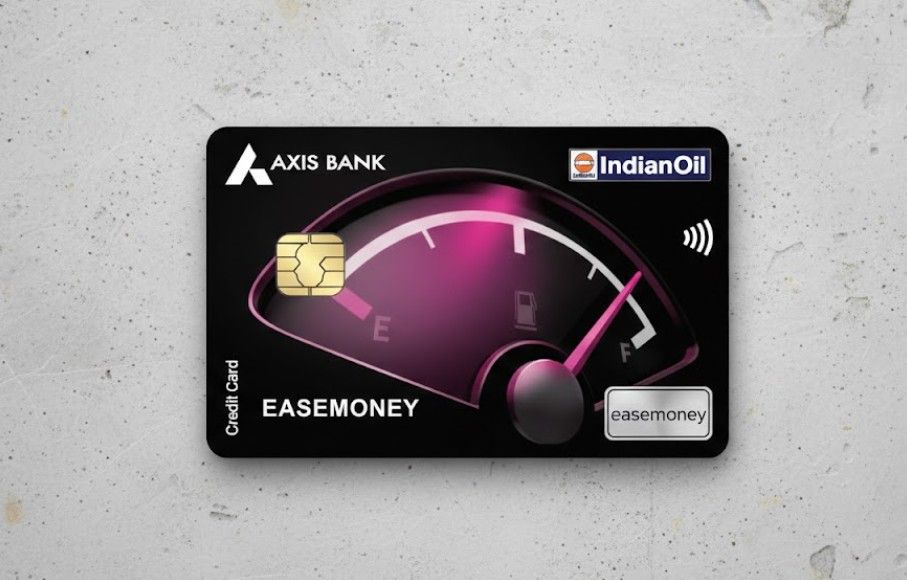
A modern fuel card is especially useful for UPI users. You can scan QR at a petrol pump and still earn rewards, which most credit cards don’t allow.
- Welcome fuel cashback on the first transaction
- ~4% value back at IndianOil outlets
- RuPay variant supports UPI fuel payments
- Monthly reward cap around ₹200
- 1% cashback on online purchases
4. IDFC FIRST Power HPCL Credit Card
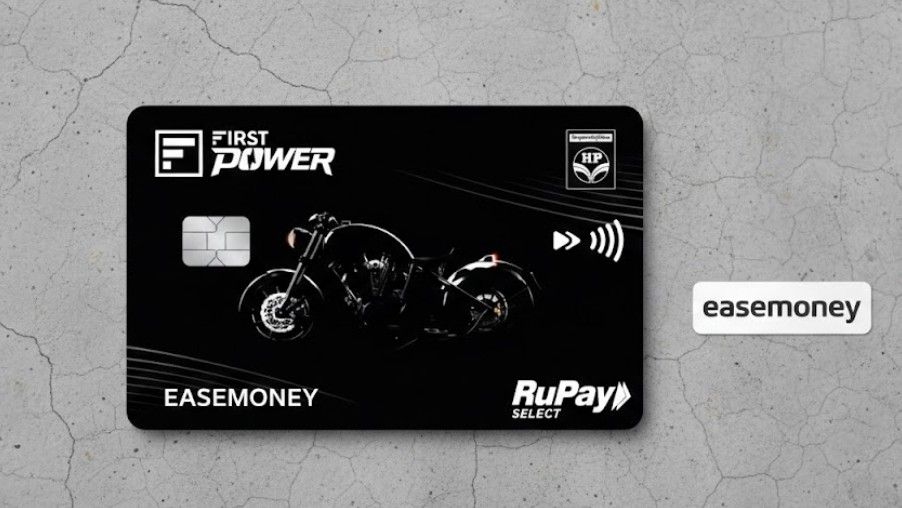
One of the most practical low-fee cards. The reward system is simple, and points never expire, which removes a common problem many users face.
- ~5% total savings at HPCL pumps
- Rewards + Happy Coins via HP Pay app
- Complimentary roadside assistance cover
- 2.5% rewards on groceries and FASTag
- No redemption fee and no point expiry
Quick Tip: Even if fuel usage is low, roadside assistance alone can justify the annual fee.
5. ICICI HPCL Coral Credit Card
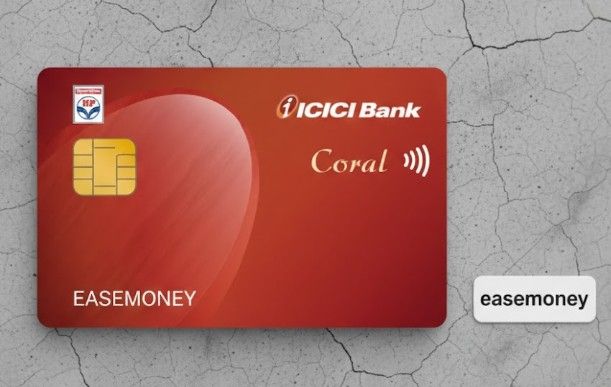
This HPCL Coral card focuses more on convenience than high rewards. Many ICICI customers receive it as lifetime free, making it useful for occasional fuel spending.
- ~2.5% cashback at HPCL pumps
- Reward points on normal purchases
- Movie ticket discounts
- Easy approval for existing ICICI account holders
Good backup card if your primary card fails at petrol pumps.
(2.) Top Mid-Level Fuel Credit Cards in India (₹500–₹1,000 Annual Fee)
Mid-level fuel credit cards are designed mainly for regular car owners — office commuters, small business users, and families using a vehicle daily. These cards become useful when the monthly petrol expense starts crossing about ₹5,000 and goes up to ₹10,000.
Entry-level cards stop giving full rewards after a small limit. Mid-level cards solve that problem by increasing monthly reward caps and adding extra benefits like lounge visits, roadside assistance, or bill payment rewards.
What “Mid-Level Card” actually means in India
- Typical income eligibility: ₹25,000 – ₹60,000 monthly salary
- Annual fee: usually ₹500–₹1,000
- Credit score expectation: around 700+ preferred
- Fuel reward cap is higher than the entry cards
- Often includes 1–2 airport lounge visits yearly
Charges & Fee Reality (Important)
- 1% fuel surcharge still applies first, then reversed as a benefit
- Interest rate typically 36%–42% yearly if you carry balance
- Late payment fee usually ₹500–₹1,200 depending on outstanding
- Annual fee often waived after ₹75k–₹1L yearly spending
Most people upgrade to premium cards too early. If your petrol spend is around ₹6k–₹7k monthly, mid-level cards usually give the highest actual return because reward caps are designed around this usage.
1. IDFC FIRST Power+ HPCL Credit Card
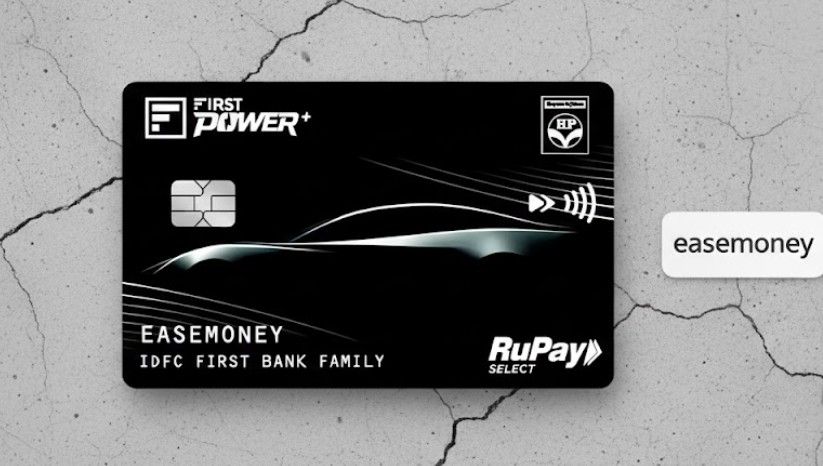
One of the strongest mid-segment fuel cards. It suits regular car drivers who also travel highways because the card mixes fuel rewards with safety benefits.
- ~6.5% effective savings (5% rewards + 1.5% HP Pay coins)
- Rewards also on LPG cylinder payments
- 1 airport lounge visit per quarter (spend condition)
- Complimentary roadside assistance cover
- Reward points never expire
- Typical annual fee: ₹499
- Eligibility: 21+ age, ~₹3L annual income, 700+ credit score preferred
Tip: Good for people doing long drives — roadside assistance alone can save ₹3k–₹5k once in a breakdown.
2. ICICI HPCL Super Saver Credit Card
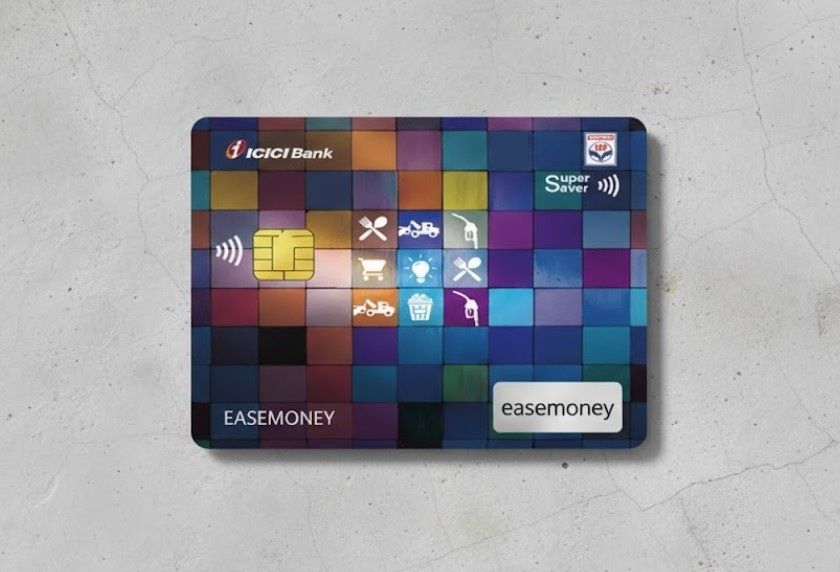
This card works well for family households. It gives rewards not only on petrol but also electricity bills and grocery purchases.
- ~5% total savings at HPCL petrol pumps
- 4% cashback capped around ₹200/month
- Extra rewards through HP Pay app
- 1 lounge visit per quarter
- Movie ticket discount offers
- Eligibility: ~₹20k monthly salary
- Typical fee: around ₹500
3. BOB HPCL Energie Credit Card
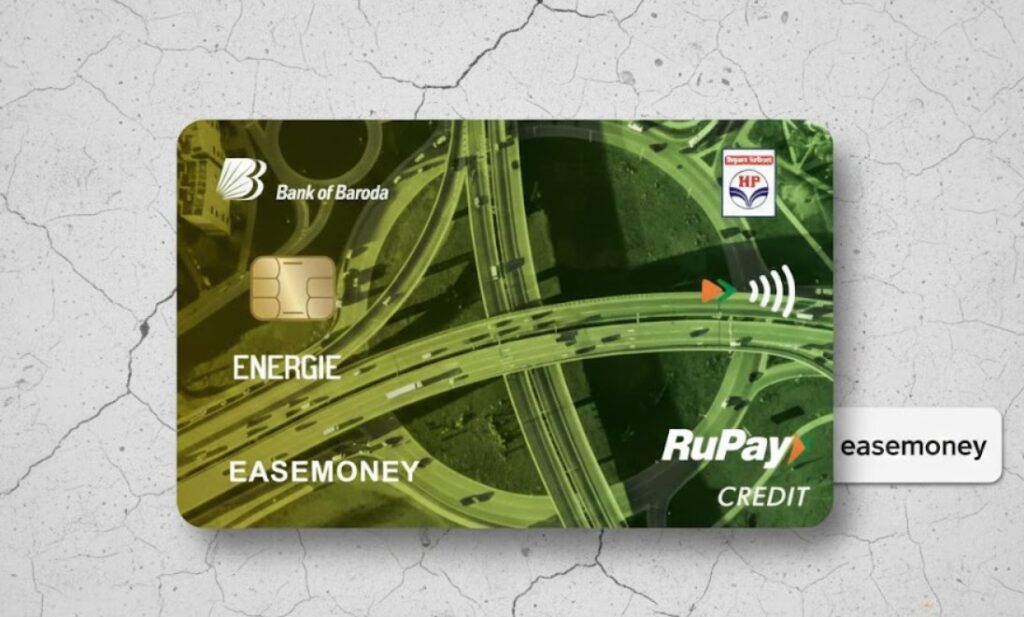
A simple mid-range card focused on predictable savings and easy annual fee waiver.
- ~5% savings at HPCL fuel stations
- 4 domestic lounge visits yearly
- Paytm movie ticket discounts
- Annual fee waiver around ₹50k spending
- Eligibility: ₹2.4L–₹3.6L yearly income
4. IndianOil Kotak Credit Card
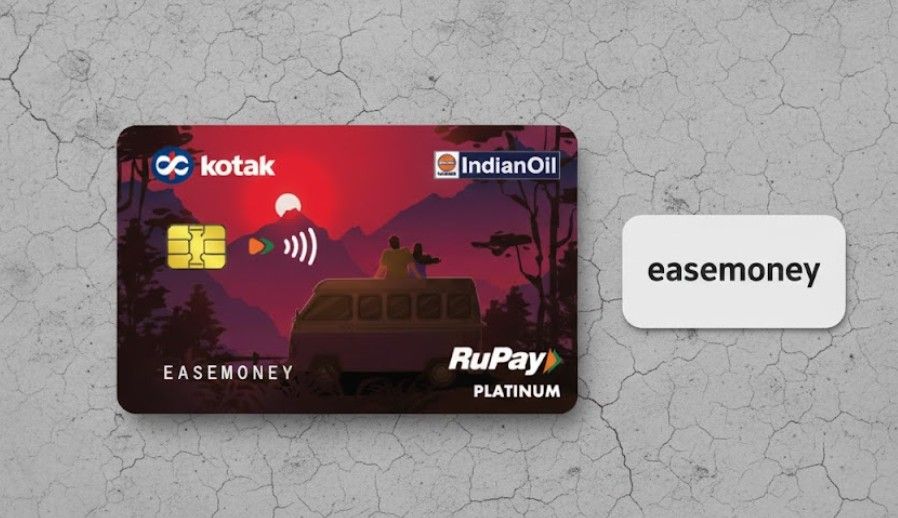
Useful if your nearby petrol pump is an IndianOil and you also spend on restaurants and groceries.
- ~5% effective savings at IndianOil pumps
- 2% rewards on dining and groceries
- Personal accident insurance cover
- Monthly reward cap applies
- Typical fee around ₹449
Easemoney Tip: Works best for office commuters who refill weekly at the same pump.
5. Standard Chartered Super Value Titanium
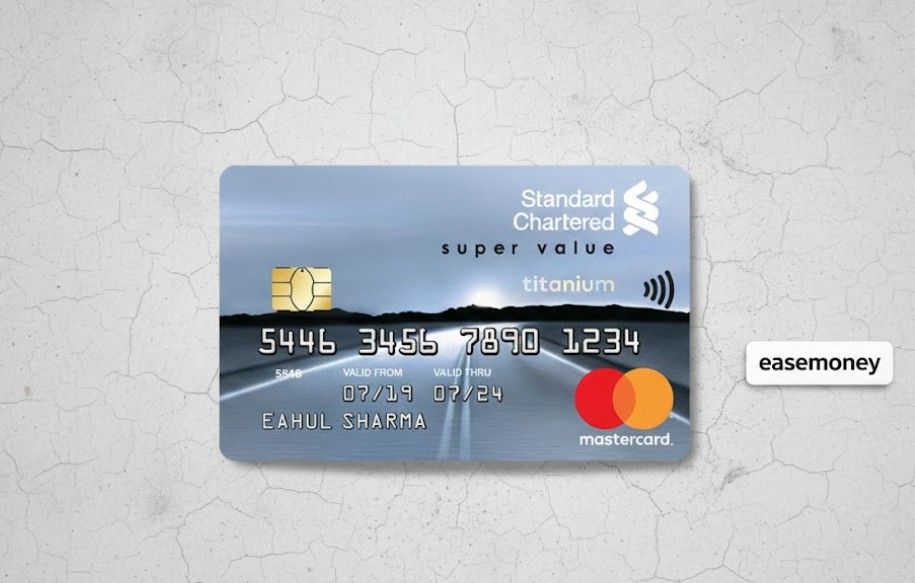
Different from other cards — it works at almost any petrol pump brand, so you are not restricted to IOCL/HPCL/BPCL.
- 5% cashback on fuel transactions
- Works across all fuel brands
- 5% cashback on utility bills
- Income eligibility ~₹35k monthly and Good Credit Score Above 750
- Fee around ₹750
Easemoney Tip: Best for users who travel across cities and cannot depend on a single petrol company.
(3.) Best Premium Fuel Credit Cards in India (High Usage Tier)
Premium fuel credit cards are designed for heavy drivers — SUV owners, long-distance commuters, transport professionals and business owners whose monthly petrol expense usually crosses ₹10,000.
At this level, the card is not only saving surcharge. Banks design these cards assuming frequent refuelling, highway tolls and travel usage, so the reward caps are much higher and include travel privileges like airport lounge access and milestone bonuses.
Many people apply for premium cards for status. In reality, these cards only make financial sense when your fuel bill is high. If monthly fuel is below ₹7,000, mid-level cards usually give a better real return.
Typical Eligibility in India
- Age: 21–65 years
- Credit score: generally 720+ preferred
- Salaried income: ₹50,000–₹80,000 monthly
- Self-employed income: ₹6–₹10 lakh annual ITR
- Stable repayment history required
How Premium Cards Actually Work
- Higher monthly fuel reward caps
- Better redemption ratio (points convert faster to fuel)
- Complimentary airport lounge visits
- Milestone bonuses after yearly spending
- Lower effective cost if usage is high
Unlike entry cards, these cards assume weekly refuelling and long-distance driving. That is why their value-back increases only when fuel usage is large.
Example: A person spending ₹12,000 petrol monthly (~₹1.4L yearly) can recover ₹7,000–₹12,000 in rewards and lounge benefits. But a person spending ₹3,000 monthly will not recover the annual fee — which is why premium cards are not meant for light users.
1. BPCL SBI Card Octane
Considered the benchmark fuel card in India. It is built specifically for heavy fuel users who regularly refill at Bharat Petroleum pumps.
- ~7.25% fuel value back
- Instant redemption at BPCL pump
- 4 airport lounge visits yearly
- 10X rewards on groceries and dining
- Annual fee: ₹1,499 (waived on ₹2L yearly spend)
- Eligibility: ₹50k+ monthly income & strong credit score
Expert Advice: If BPCL pump is near your house or office, this is usually the most profitable fuel card in India.
2. IndianOil RBL XTRA Credit Card
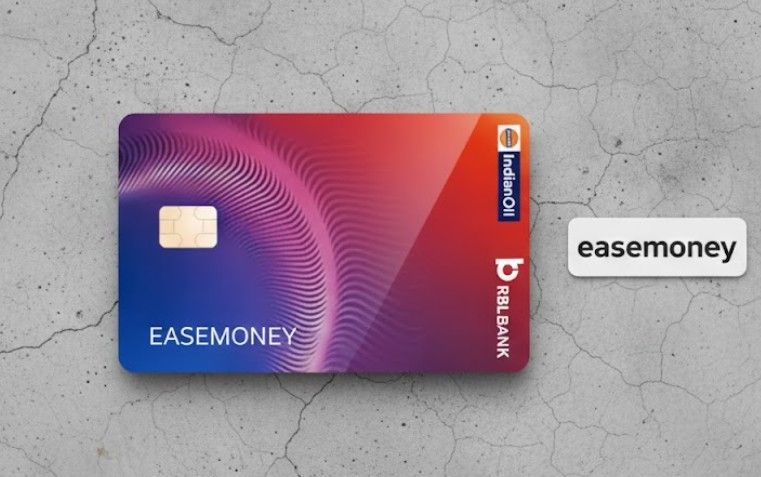
High percentage return card made for IndianOil loyal users who refill frequently but want maximum raw reward rate.
- ~8.5% fuel savings (one of the highest in India)
- Welcome reward bonus
- Fuel reward cap around ₹5k monthly usage
- Annual fee ~₹1,500
- Eligibility: ₹40k monthly income
Expert Advice: Better than Octane only when you use IndianOil pumps consistently.
3. American Express Gold Charge Card
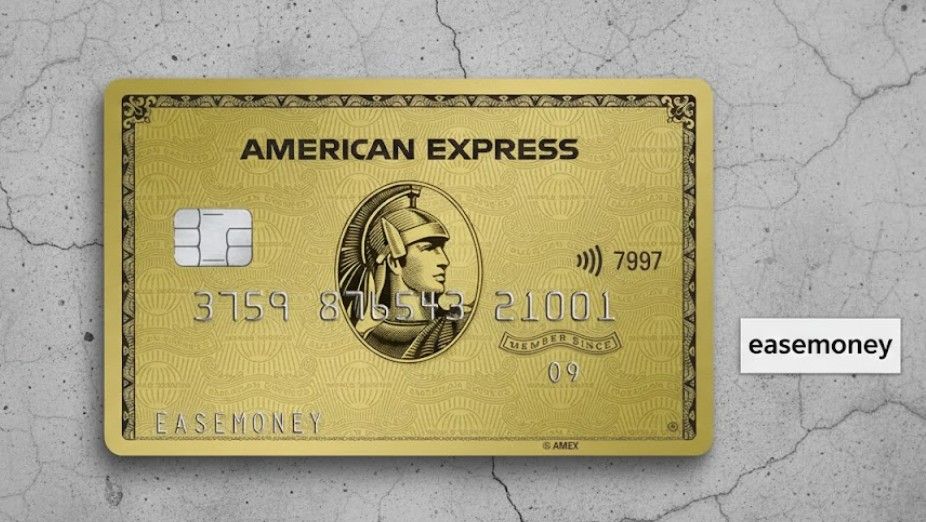
Not a traditional fuel card. Works on a reward strategy — small monthly transactions generate high-value reward points usable for hotels and flights.
- Income requirement: ₹6L+ annual
- Milestone bonus points monthly
- Effective 8–10% value when used correctly
- Hotel & airline point transfer
- No preset spending limit (charge card)
4. Axis Bank Magnus (Fuel Strategy Use)
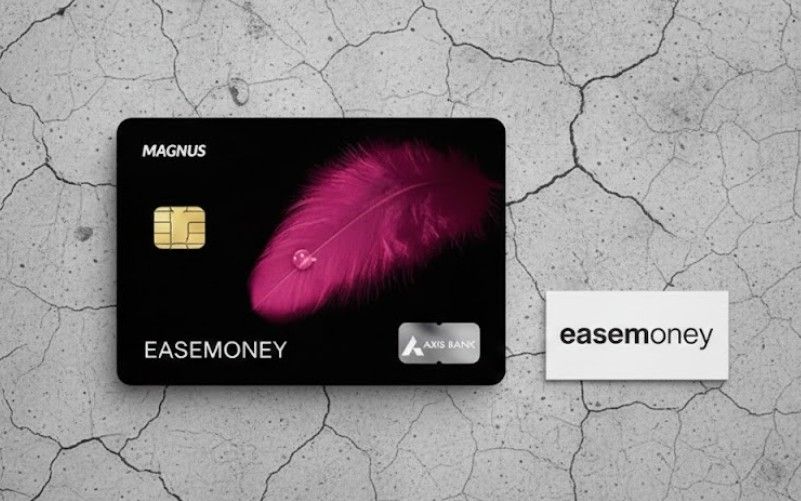
A lifestyle premium card rather than a direct fuel card. The savings come when fuel spending converts into airline miles and business-class tickets.
- Luxury travel and concierge services
- Unlimited lounge access
- High reward-to-airline conversion
- Annual fee ~₹12,500
- Income eligibility: ₹18L–₹24L yearly
5. IndianOil Axis Bank Premium Credit Card
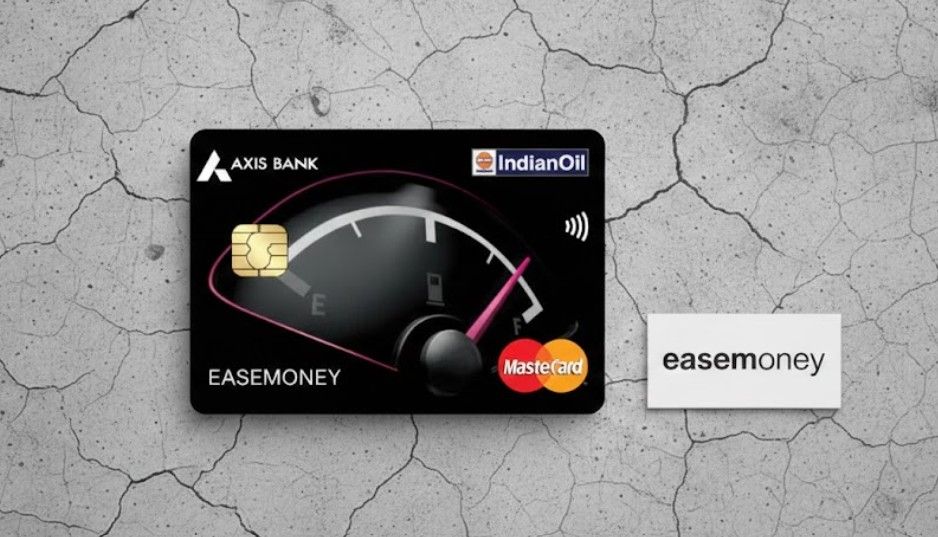
A balanced option between pure fuel card and premium travel card. Suitable for heavy IndianOil users wanting higher credit limits.
- 6X EDGE reward points on IOCL fuel
- Milestone yearly bonus rewards
- Quarterly lounge visit
- Annual fee ~₹2,500
- Eligibility: ₹6L+ annual income
Easemoney Advice: Good upgrade after mid-level cards once your fuel usage crosses ₹10k monthly.
Top 10 Steps to Choose the Right Fuel Credit Card
Fuel credit cards in India look similar in advertisements, but in reality, the “best” card depends on your driving route, spending pattern and payment habits. Follow these simple checks before applying — it can easily save ₹4,000–₹12,000 yearly.
- Map Your Daily Petrol Pump – Most fuel cards are brand-linked. Choose IOCL, BPCL or HPCL based on the pump you actually visit weekly — not the one near the highway. Convenience matters more than reward percentage.
- Calculate Your Monthly Fuel Spend – Below ₹2,000 → Entry cards are enough. ₹5,000–₹10,000 → Mid-level cards give better return. ₹10,000+ → Premium cards start making real financial sense.
- Check Redemption Method – Prefer cards where fuel points can be used directly at the petrol pump or simple apps like HP Pay. Avoid cards that require voucher conversion or customer care redemption.
- Verify Surcharge Waiver Slab – Most banks waive the 1% fuel surcharge only between ₹400 and ₹4,000 per transaction. Very small top-ups (₹100–₹200) often do not qualify.
- Understand Monthly Reward Caps – Many cards limit rewards to ₹100–₹250 monthly. If your petrol bill is ₹8,000 but cap is ₹200, your real return becomes smaller than advertised.
- Check Annual Fee Waiver Condition – Choose a card where your normal spending easily crosses the waiver target. Example: ₹50k yearly spend is easy. ₹2L spend is not easy for everyone.
- Look Beyond Fuel Benefits – Good cards also give grocery rewards, FASTag recharge, bill payments or lounge visits. These extra benefits often recover the annual fee faster than fuel rewards alone.
- Understand “Value-Back” Numbers – Some ads say “free fuel worth ₹5,000”. This is calculated on very high yearly usage. Always check real percentage return (like 4%, 5% or 7.25%).
- Check RuPay & UPI Compatibility – If you prefer scanning QR at pumps, choose RuPay fuel cards that work with BHIM, PhonePe or GPay. Otherwise rewards may not apply.
- Don’t Ignore Welcome Benefits – joining bonuses (₹500 voucher or 2,000 points) often recover the first year fee. But remember — the card must still suit your monthly usage after the first year.
RBI Consumer Protection & Safety Rules
All credit cards in India operate under Reserve Bank of India regulations designed to protect customers and prevent misuse.
- Written customer consent is required before any credit limit increase (effective since Oct 2022)
- Cards cannot be activated without OTP approval
- Banks must provide a one-page Key Fact Statement showing all fees and interest rates
- If a card remains inactive for 30 days, the bank must reconfirm activation
- Credit score reporting frequency expected to improve to weekly updates around 2026
Official RBI notification: Reserve Bank of India Credit Card Guidelines
FAQs
Which fuel credit card is best in India?
There is no single best for everyone. BPCL SBI Octane suits heavy drivers, while IndianOil HDFC suits daily commuters. Choose the card matching your nearby petrol pump network, not advertisement claims.
Which credit card is best for petrol purchases?
For regular bike users spending ₹3,000 monthly, entry fuel cards give highest return. Car owners spending ₹8,000 monthly benefit more from mid-level cards with higher monthly reward caps and surcharge waivers.
Are fuel credit cards worth getting in 2026?
Yes, if you buy petrol every week. A person spending ₹5,000 monthly can save roughly ₹3,000–₹6,000 yearly through surcharge waivers, reward points and milestone benefits, according to current bank reward structures.
What is the top oil company fuel card?
India has three main networks: IndianOil, BPCL and HPCL. The top card depends on which pump is closest to your home or office. Convenience gives more savings than slightly higher percentage rewards.
How can I earn 50 litres of free fuel yearly?
By spending around ₹7,000–₹10,000 monthly on fuel and redeeming points regularly. Premium cards offer higher reward caps. Many users forget redemption, so points expire and actual savings reduce significantly.
What is the 2-3-4 rule for credit cards?
Keep at least 2 cards active, spend below 30% credit limit, and pay full bill within 4 days of statement generation. This habit improves CIBIL score steadily within six to eight months.
How much are 1000 fuel reward points worth?
Usually around ₹250 to ₹500 depending on bank conversion ratio. Some cards give direct pump redemption while others require app conversion. Always check redemption value before applying, not only reward multiplier.
Is an RBL fuel credit card good?
Yes for IndianOil loyal users. RBL fuel cards give high percentage return but monthly caps are smaller. Best for consistent refuelling users, not occasional drivers filling petrol once or twice monthly.
Is HDFC fuel credit card good?
HDFC IndianOil card suits beginners. Approval is easier and yearly fee waives at ₹50,000 spending. It also rewards utility bills, so many households recover annual fee within first six months usage.
Do fuel cards increase CIBIL score?
Yes, if you pay the bill fully every month. Even ₹1,500 monthly usage helps build credit history. Missed payments, however, damage score faster than loan defaults in many cases.