A true Lifetime Free (LTF) credit card means: There is no joining money to pay. Also, ₹0 annual or renewal fee. Even if you do not use the card for a long time, the bank will not start charging a fee suddenly. Once the card is given as a Lifetime Free, it stays free for the whole life.
Lifetime Free credit cards are very popular in India. People like these cards because there is no yearly fee to pay. You can earn rewards without worrying about extra charges. These cards are good for new users who want to build a credit history. They are also useful as a second card for UPI payments or online shopping.
Key Trends: Why People Prefer LTF Cards
When we look at Lifetime Free (LTF) and paid credit cards, it is clear that LTF cards are the first choice for most new and entry-level users in India.
Regular salaried people and mass-market customers usually prefer these cards because there is no yearly charge and less risk for first-time usage.
In 2024–2025, banks and fintech companies are pushing more lifetime free cards to the market. People are now more aware of fees, and banks are using LTF cards mainly to add new customers. Even though credit card usage is increasing fast, the overall reach is still low.
As per ifsa-network.com data, only around 5–6% of India’s population, roughly 67 to 77 million users, currently hold a credit card, which is why LTF cards are becoming the main entry point.
- Customer Mindset: New credit users, students, and young professionals usually avoid annual fees.
They prefer no-frills, lifetime free cards as a safe first step into credit. - Mass-Market Growth: Credit card growth in Tier-2 and Tier-3 cities is mostly coming from LTF, co-branded, and digital-first cards, not premium ones.
- Bank Strategy: Banks are actively offering LTF versions of popular mid-range cards to onboard more customers and increase their card base.
- Usage Pattern: Many users keep one premium card for benefits, and multiple LTF cards for limited online offers and discounts, without worrying about yearly charges.
Comparison – Top 10 Lifetime Free Credit Cards (Simple View)
In 2026, banks are mainly pushing conditional-free credit cards. This list does not include cards where you need to spend a fixed amount every year to remove fees.
Only genuine lifetime free cards, or cards officially marked as LTF by the bank, are included.
| Rank | Credit Card | Issuer | Best Used For | Core Value |
|---|---|---|---|---|
| 1 | Amazon Pay ICICI | ICICI Bank | Online shopping | Straight cashback, no limit tension |
| 2 | IDFC FIRST Wealth | IDFC First Bank | High monthly spending | Strong rewards with low forex cost |
| 3 | Kiwi RuPay Card | Multiple Banks | App-based control | Get 5% cashback with a RuPay credit card |
| 4 | AU LIT | AU Small Finance Bank | Custom usage | Switch features on or off, pay only if used |
| 5 | IndusInd Legend | IndusInd Bank | Weekend & travel use | Lounge access plus weekend offers |
| 6 | MagniFi | Federal / AU | Lifestyle weekends | Brand-wise cashback deals |
| 7 | HSBC Visa Platinum | HSBC | First-time users | Easy approval with spend milestones |
| 8 | Axis Neo | Axis Bank | Dining & utility bills | Regular Zomato and Paytm offers |
| 9 | Federal Scapia | Federal Bank | Foreign travel | Zero forex charges with lounge access |
| 10 | IDFC FIRST Millennia | IDFC First Bank | Young professionals | Rewards improve as spending increases |
1. Amazon Pay ICICI Credit Card
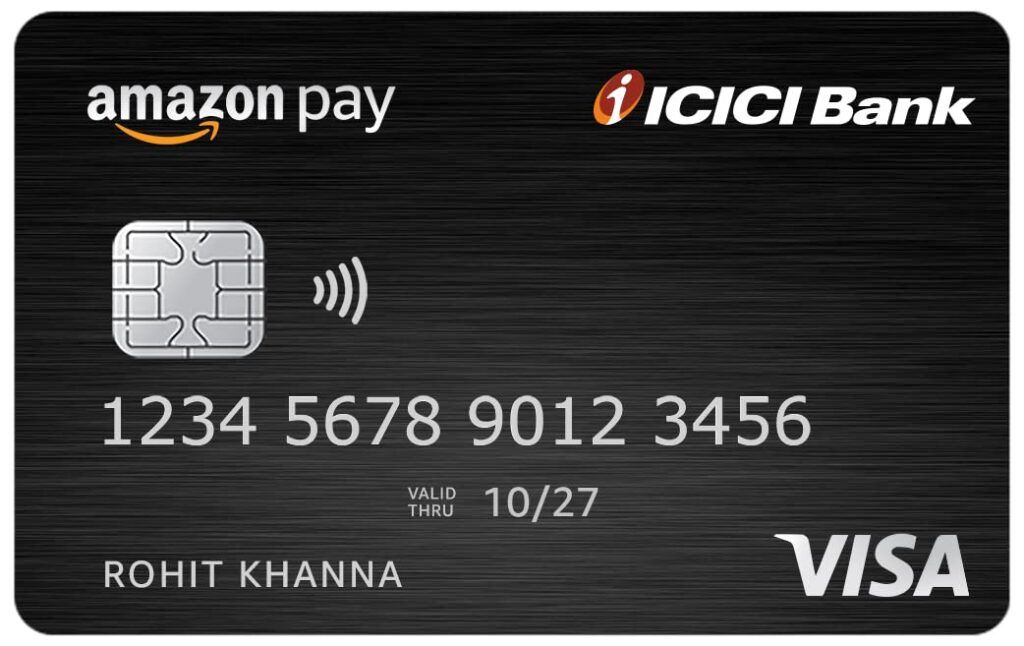
Reward Structure (Simple to Understand)
- 5% cashback on Amazon spends for Prime users
- 3% cashback on Amazon spends for non-Prime users
- 2% cashback on 100+ Amazon Pay partner apps (like Swiggy, BookMyShow)
- 1% flat cashback on all other spends
- Cashback is credited directly to the Amazon Pay balance (no expiry, no redemption headache)
- 1% fuel surcharge waiver across India
Why This Card Ranks #1 in 2026
- Cashback is real money, not confusing reward points
- No minimum spend rule, no rotating categories
- No joining fee, no annual fee, no hidden conditions
- Cashback comes automatically every month, no manual redemption
Real-Life Example (Household Use)
If a family spends around ₹18,000 per month on Amazon (grocery + shopping):
- Prime user earns roughly ₹900 per month
- That means ₹10,000+ value in one year
- And this is with zero card fees
Who Should Use This Card
- Online shoppers who use Amazon regularly
- Families doing monthly grocery and household shopping
- Users who want a safe, no-stress base credit card
Weak Points (Be Clear Before Applying)
- Cashback is mainly useful inside Amazon ecosystem
- No airport lounge access
- Only the Visa version is available, so no UPI scan-and-pay support via GPay or PhonePe
2. IDFC FIRST Wealth Credit Card

Who This Card Is Actually For
This card is best suited for users who regularly spend ₹30,000 to ₹60,000 or more per month. It is not meant for light or occasional spenders.
Core Value (Why It’s Special)
- Completely zero-fee premium card, no spend condition attached
- Low forex markup of 1.5%, much cheaper than normal cards
- Allows interest-free cash withdrawal for up to 48 days (₹199 transaction fee applies)
In 2026, this card still stands out because most premium benefits usually come with high annual fees — but not here.
Reward Structure (Understand the Logic)
- Base rewards:
- 3X on offline spends
- 6X on online spends
- 10X rewards apply once monthly spends cross ₹20,000, and also on birthdays
- Reward points never expire and can be redeemed for shopping or vouchers
Spend Logic (Very Important)
This card works best only when:
- Monthly spending crosses the threshold consistently
- Fixed expenses like utilities or insurance are routed to this card
- The threshold is crossed early in the billing cycle
If spending stays low, rewards will feel average.
Travel & Lifestyle Benefits
- Lounge access: 4 domestic + international visits per quarter (requires ₹20,000 spent in the previous month)
- Golf: 2 complimentary rounds per month
- Movies: Buy-one-get-one on BookMyShow (up to ₹500)
- Insurance: Travel cover and ₹1 crore personal accident cover
Reality Check (The Catch)
- Approval standards are very high
- Usually requires ₹36 lakh+ annual income or an existing wealth relationship with the bank
- No reward points on fuel, rent, insurance, or EMI spends
3. Kiwi RuPay Credit Card

By 2026, Kiwi has moved beyond a single-bank setup and now work as a multi-bank UPI credit platform. It started only with Axis Bank, but today, Kiwi issues Lifetime Free (LTF) RuPay credit cards through partnerships with Yes Bank, Axis Bank, and AU Small Finance Bank.
Kiwi mainly acts as a fintech layer, while the actual card is issued by the partner bank.
Kiwi Multi-Bank Comparison
| Feature | Kiwi – Axis Bank | Kiwi – Yes Bank | Kiwi – AU Bank |
|---|---|---|---|
| Best For | Heavy daily UPI users | Utility & bill payments | Lifestyle & weekend spends |
| Reward Style | 2 Kiwi Koins per ₹250 | Better rewards on utilities | Up to 5% on selected merchants |
| Joining Fee | ₹0 (Lifetime Free) | ₹0 (Lifetime Free) | ₹0 (Lifetime Free) |
| Redemption | Direct to bank account | Direct to bank account | Direct to bank account |
| Key Advantage | Faster approval, stable rewards | Strong bill-payment engine | Merchant-based booster offers |
How the Kiwi System Actually Works
- Single App Control: No matter which bank issues your card, everything is managed inside the Kiwi app — UPI payments, rewards, and cashback.
- Kiwi Koin Logic: 4 Kiwi Koins = ₹1.
- Cashback is real money and gets credited directly to your linked savings account.
- Virtual First: Cards are usually issued as virtual RuPay cards, so you can link them instantly to PhonePe, GPay, or BHIM.
Which Variant Makes More Sense
- Choose Axis Bank version: If you already have an Axis Bank account or pre-approved offers, approval is usually quick.
- Go with the Yes Bank version: If most of your spending is on electricity, gas, water, and other utility bills.
- Choose the AU Bank version: If you want higher cashback on dining, movies, and weekend spending.
Practical Tip
Since all Kiwi cards are lifetime free, many users keep two variants (usually Axis + Yes Bank) to cover both UPI spends and utility bills without paying any fees.
4. AU LIT Credit card
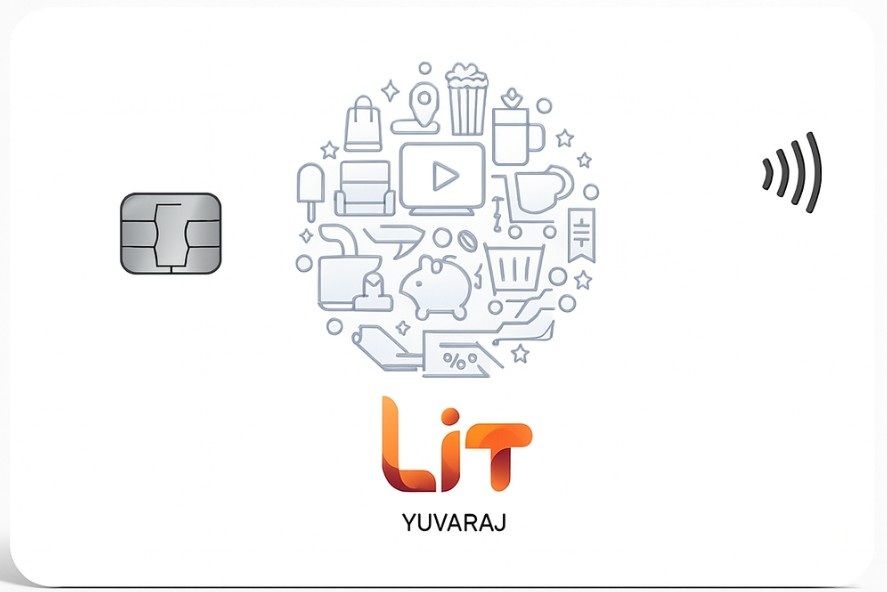
The AU LIT Credit Card is India’s first feature-on-demand card. In 2026, it is popular because the base card is lifetime free, and you pay only when you activate extra features.
How It Works (Simple)
This card works like a blank card. Using the AU 0101 app, you can turn specific features on or off for 90 days, based on your needs.
Available Feature Packs
- 5% cashback on travel, dining, or grocery
- 1% flat cashback on retail spends
- Lounge access (1–2 visits per quarter) for a small fee
- Discounted memberships like Amazon Prime or Zomato Gold
Each pack can be activated, deactivated, and reactivated anytime.
What You Get Without Any Pack
- No joining fee, no annual fee
- 1% fuel surcharge waiver
- Basic reward points for spending
Who Should Take This Card
- Users who don’t like bundled annual fees
- People who want full control over card charges
Hidden strength: Here, you decide the cost, not the bank.
5. IndusInd Legend Credit Card
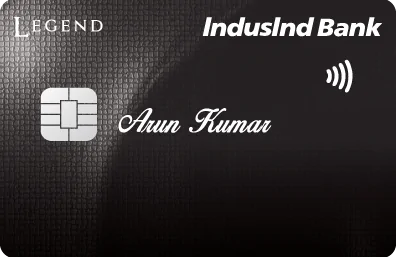
The card is issued by IndusInd Bank. In most cases, there is a one-time joining fee, but this is often waived during offers or for higher-income users. After that, there is no annual fee at all.
What Makes It Different
This card gives more value on weekends:
- Weekdays: 1 reward point per ₹100
- Weekends: 2 reward points per ₹100
- Value: 1 point = ₹0.75 (cash value)
So on weekends, you get around 1.5% return, which is decent for a lifestyle card.
Lifestyle & Entertainment Benefits
- Movies: Buy 1 Get 1 Free on BookMyShow (up to 3 tickets per month)
- Lounge access: 1 domestic lounge visit per quarter (small spend condition applies)
- Forex charges: Around 1.8%, lower than most regular cards
- Priority Pass: Membership included (international lounge visits are chargeable)
- Annual bonus: Extra reward points if yearly spending crosses ₹6 lakh
Reality Check (Important)
- Sometimes shown as LTF, but a joining fee may apply unless waived
- Rewards are not direct cashback — redemption happens via the IndusMoments portal
- No rewards on fuel, rent, or insurance payments
Should You Take It?
Yes, if you spend more on weekends, watch movies often, and want a premium card without yearly fees.
No, if you want simple flat cashback for online shopping, cashback cards work better there.
6. MagniFi Credit Card
How Weekend Rewards Work
In 2026, it is a popular choice among young professionals who spend more on food, movies, and online shopping, and don’t want to pay any annual fee.
The card gives a higher value from Saturday to Sunday:
- 5% value-back on eligible weekend spends, online and offline
- Up to 20% instant discounts on partner brands like Amazon, Zomato, Zepto, and BookMyShow
- On weekdays (Monday to Friday), rewards drop to around 0.5%
Fees & Reward System
- Lifetime Free: No joining fee, no annual charges
- Rewards are earned as Fi-Points
- 4 Fi-Points = ₹1
- Points can be used directly in the Fi app to pay your credit card bill or redeemed for vouchers and miles
- Weekend rewards are usually capped at ₹500 per month
Good and Not-So-Good
Good:
- Very high weekend rewards for a zero-fee card
- Best suited for food delivery, shopping, and movie spending
Not Good:
- No airport lounge access or travel perks
- Weekday rewards are low compared to cashback cards
Easemoney Caution: Offers rotate time to time. Best for users who actively track deals.
7. HSBC Visa Platinum
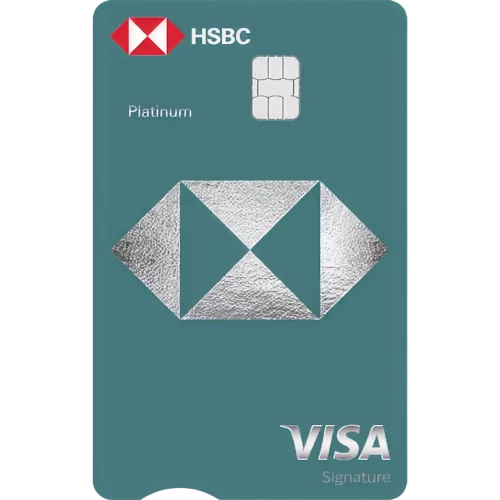
In 2026, the HSBC Visa Platinum Credit Card is still a good starter lifetime free card, mainly for people taking their first credit card. It is issued by HSBC and there is no joining fee and no yearly fee.
What You Get (Simple)
- Earn 2 reward points for every ₹150 spent
- After a total yearly spending of ₹4 lakh, rewards increase and you get extra points
- Welcome benefits likean Amazon voucher and bonus points after first spend
- Free Times Prime membership for one year
- Points can be used for flight tickets with airline partners
- Fuel surcharge benefit available
Important Things to Know
- No free airport lounge access
- Card is available mainly in big cities and some tier-2 cities
- Minimum income required is around ₹4 lakh per year
Who Should Take This Card
- First-time credit card users
- People living in the metro or nearby cities
- Users who want a simple card without any yearly charges
This is a no-tension, set-and-use card for beginners. If you want lounge access or higher cashback, then some other LTF cards will suit you better.
8. Axis Neo Credit Card
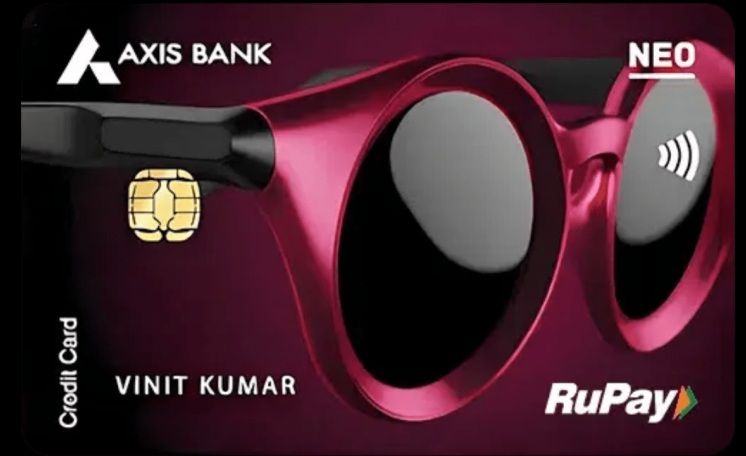
The Axis Neo Credit Card has become a very useful daily-use card, mainly for food orders and utility payments. It is issued by Axis Bank and is now mostly given as lifetime free, with no joining or annual fee.
Main Daily Benefits
- Zomato: 40% off up to ₹120 per order, usable two times in a month
- Utility bills: 5% cashback on mobile recharge, electricity, and water bills paid through Amazon Pay
- Blinkit & Myntra: 10% discount on groceries and fashion orders above the minimum value
Other Card Features
- Earn EDGE reward points on normal spends
- 10% off on BookMyShow movie tickets
- 1% fuel surcharge waiver at petrol pumps
Who Can Get This Card
- Salaried people with ₹20,000+ monthly income
- Easy approval. If you are already an Axis Bank customer, check your “Offers” section in the app—you likely have a pre-approved, zero-documentation.
This card is best for Zomato users and regular recharge/bill payments. For pure online shopping, Amazon Pay ICICI works better, but for food and utilities, Axis Neo is more useful.
9. Federal Scapia
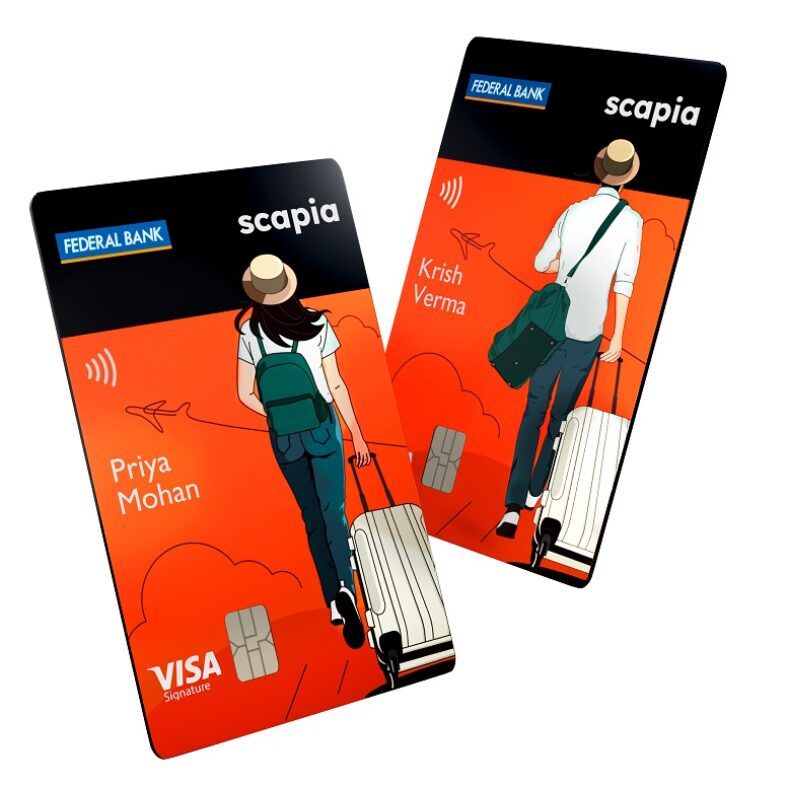
The Scapia Credit Card is still one of the best lifetime free travel cards in India. It is made mainly for people who travel, especially on foreign trips, and don’t want to lose money in forex charges.
Main Travel Advantage (Zero Tension)
- Zero forex charges: No extra fee on international spends (normal cards charge around 3.5%)
- Lifetime free: No joining fee, no annual fee, no spend condition
- Fully digital: Apply and manage everything in the app, virtual card comes quickly
Rewards & Benefits (Easy to Understand)
- Unlimited domestic lounge access, if you spent ₹5,000 in the last billing month
- Earn Scapia Coins on all spends (around 10% value)
- 5 Coins = ₹1, can be directly used for flight and hotel booking inside the app
Reality Check (Important)
- If you already have a main Federal Bank credit card, approval may be difficult
- The card is mostly virtual, physical card can be requested if needed
- No rewards on rent, fuel, or EMI payments
Who Should Take This Card
- People who travel abroad at least once a year
- Users who want to save on forex and use rewards for travel
For international travel, this card saves real money.
10. IDFC FIRST Millennia (another IDFC card in the list)
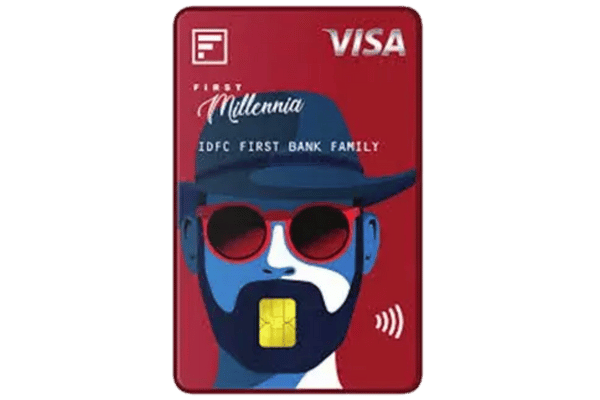
IDFC FIRST Millennia Credit Card is a good option for young professionals and first-time users. It is like a smaller version of the Wealth card, but with easy eligibility and no fees.
Lifetime Free Benefits
- No joining fee, no annual fee, no renewal fee
- Interest-free cash withdrawal from ATM for up to 48 days (₹199 + GST charge only)
- Reward points never expire; you can use them anytime
Rewards (Simple)
- 10X rewards on spends above ₹20,000 per month and on birthdays
- 6X rewards on online shopping
- 3X rewards on offline spends
- Regular discount offers on Swiggy, Zomato, Tata Cliq, etc.
Lifestyle Benefits
- Railway lounge access (4 times per quarter)
- Movie offer: Buy 1 Get 1 on Paytm Movies
- Roadside assistance is included for vehicle breakdowns
Why Millennia Is Better for Beginners
- Approval possible from ₹25,000–₹30,000 monthly salary
- Often available on RuPay, so you can use it for UPI scan & pay
LTF vs Basic Annual Fee Credit Cards
| Feature | Lifetime Free (LTF) Cards | Basic Annual Fee Cards (₹500–₹1,500) |
|---|---|---|
| Cost of Ownership | Always ₹0, no condition | Annual fee applies unless waived by spending |
| Reward Value | Mostly low (around 0.5%–1%) | Higher rewards (2%–5%) on selected categories |
| Best For | Daily use, beginners, no-risk users | Users with planned spending |
| Travel Benefits | Limited, sometimes spend-based lounge access | Often free lounge access + travel insurance |
| Forex Charges | Usually high (around 3.5%) | Lower forex (around 1.99%–2.5%) |
| Welcome Benefit | Small or none | Good vouchers or bonus points |
| Stress Factor | Very low, no tracking needed | Need to track spend to recover fee |
Hidden Charges to Watch (Even in 2026)
Even if a card is LTF, these charges may still apply:
- Reward redemption fee: ₹99 + GST when converting points
- Low usage fee: Some banks charge if the card is unused for 6–12 months
- Extra surcharges:
- Rent payments (around 1%)
- High-value railway bookings
- Utility bills above ₹15,000
Simple Advice
- Choose LTF cards if you want peace of mind and no yearly tension
- Choose fee cards only if your spending is enough to recover the fee
FAQs
Do lifetime free credit cards give lounge access in India?
Yes, some lifetime free cards give lounge access, but mostly spend-linked. In 2026, banks usually ask ₹20,000–₹30,000 quarterly spend before allowing one or two domestic lounge visits.
What is the real meaning of a lifetime free credit card?
Lifetime free credit card means zero joining fee and zero yearly fee forever. Even if card unused for years, bank cannot charge later. Confirm written proof always.
Should I take multiple lifetime free credit cards?
Two or three lifetime free cards are okay if usage is controlled. More cards increase risk of missed payments. One main card is enough for most users.
How much CIBIL score needed for lifetime free credit card?
In 2026, many lifetime free cards approve from CIBIL 680–720 range. Salaried users get faster approval. Self-employed may need higher income proof.
Can bank convert lifetime free card into paid later?
Banks cannot change lifetime free status if written confirmation exists. Risk comes only when user trusts verbal promise. Always save email or welcome letter screenshot with date.
Do lifetime free credit cards give good rewards?
Rewards are lower than paid cards but stable. Cashback usually 1%–5%. No pressure to spend extra just to recover annual fees, which suits middle-income families.