

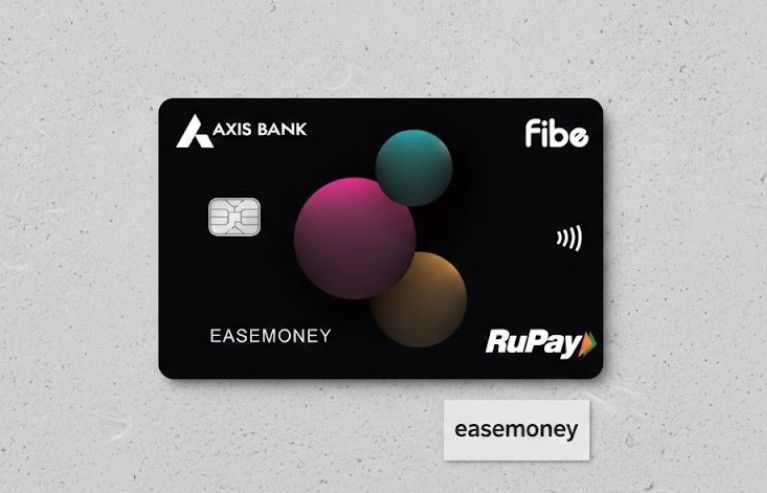
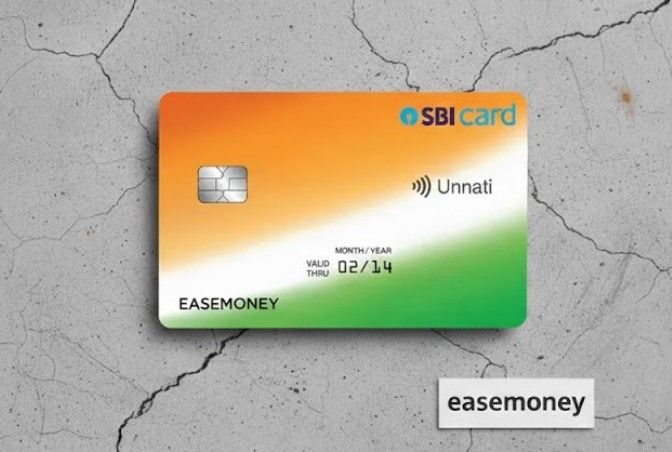
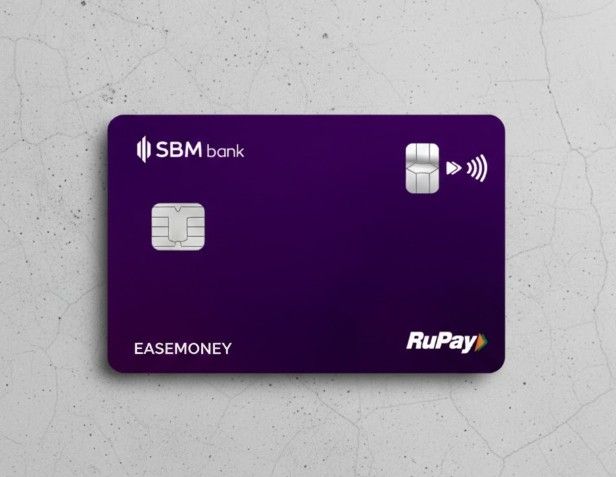
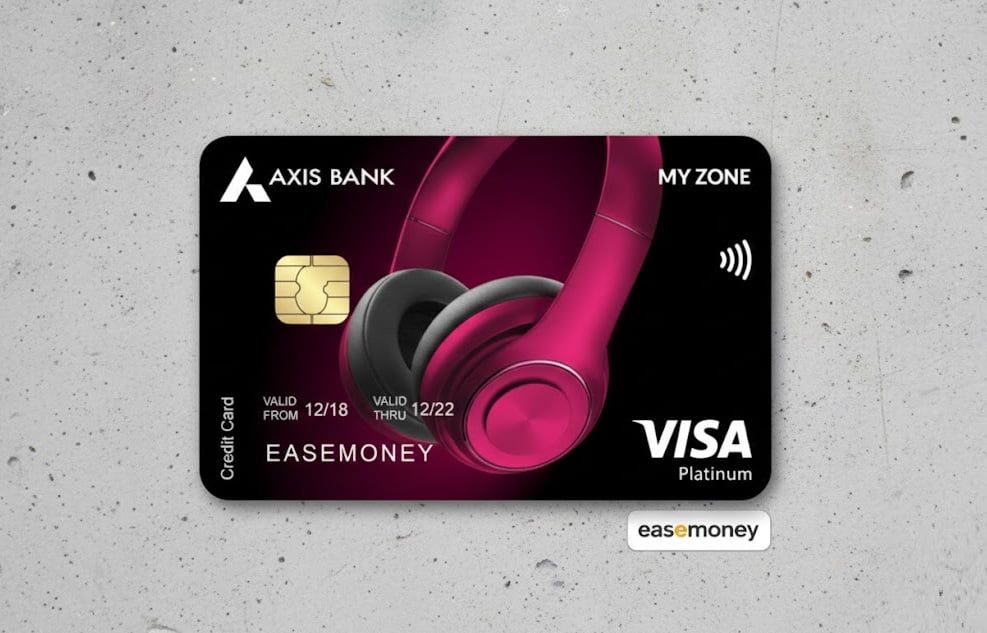
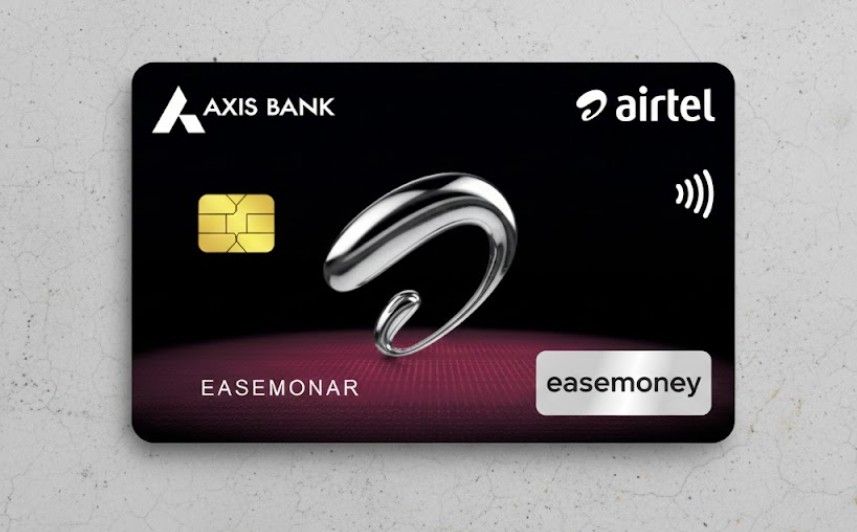
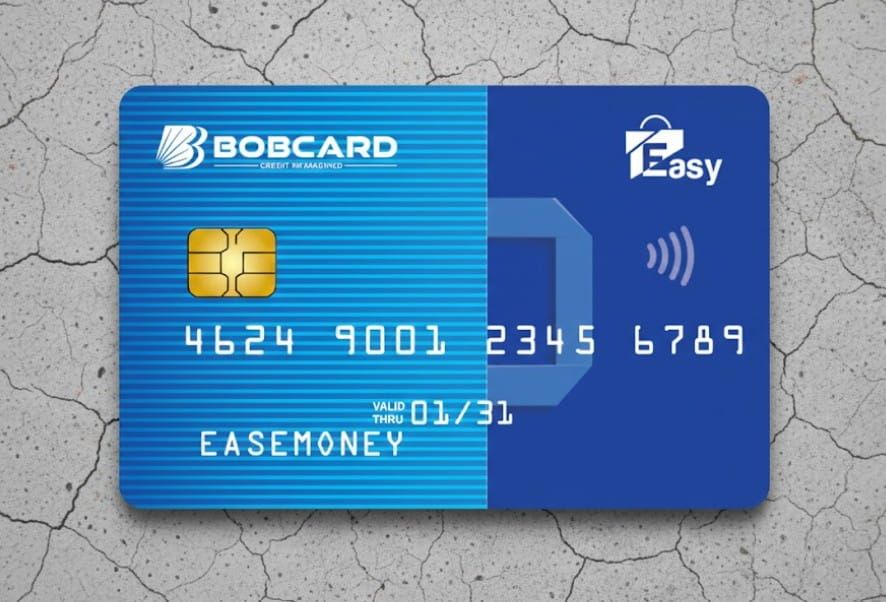
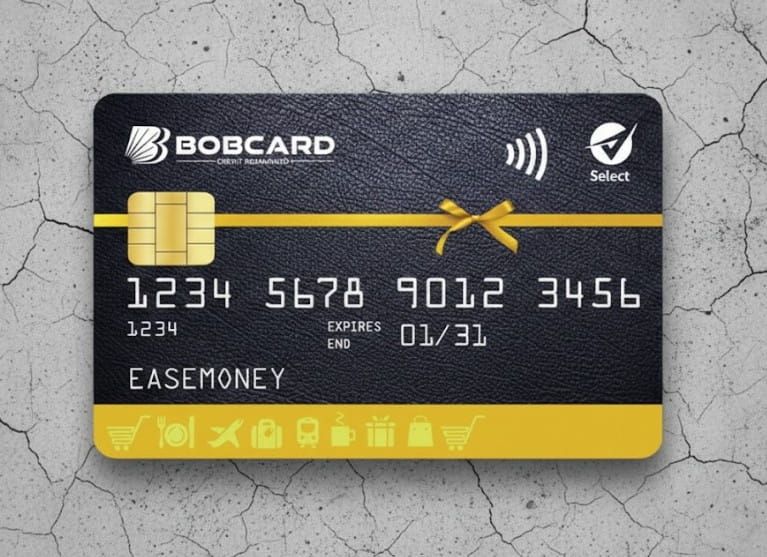
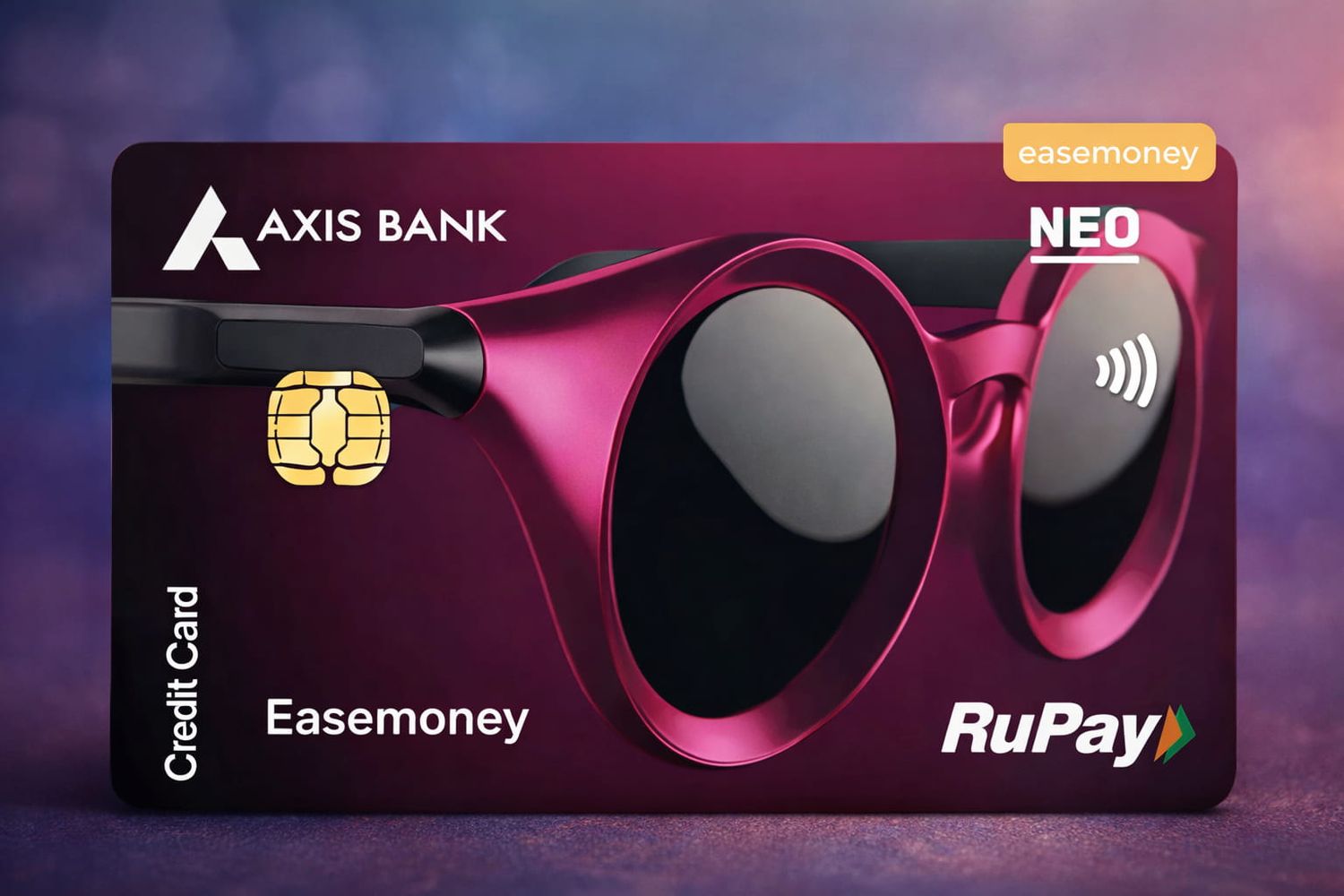
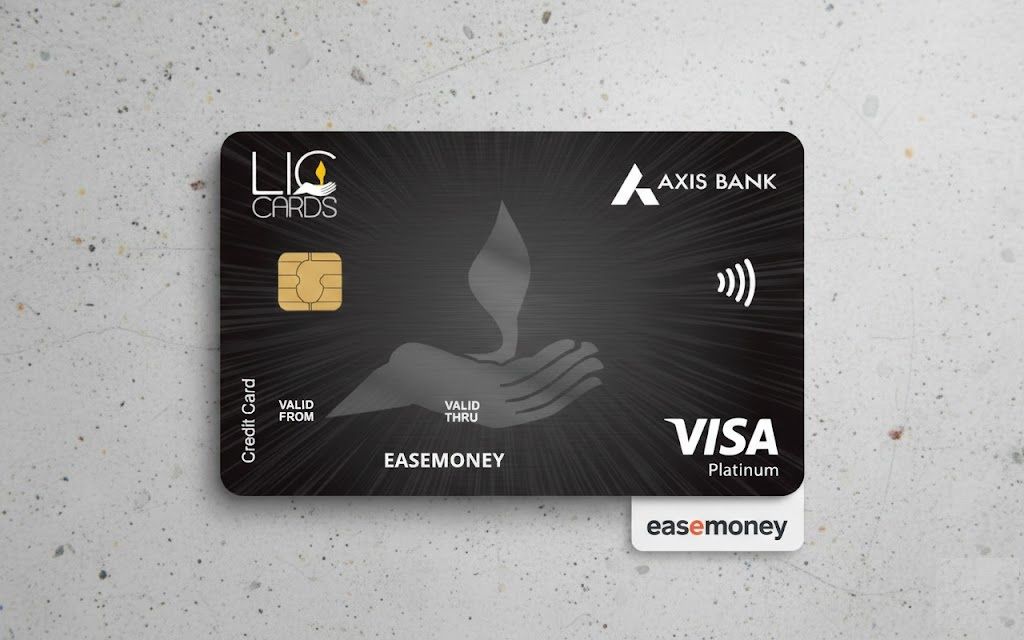
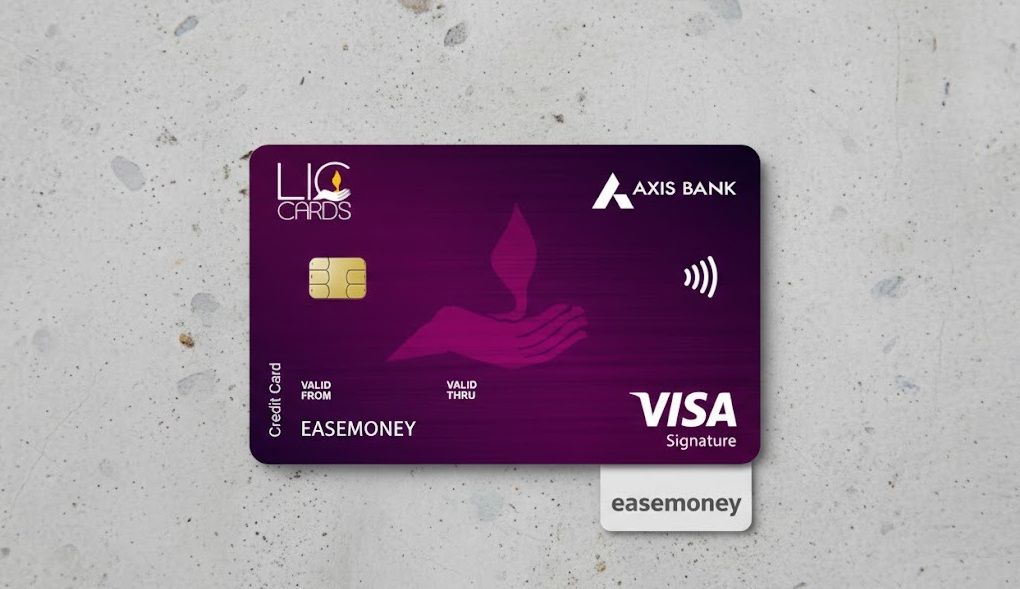
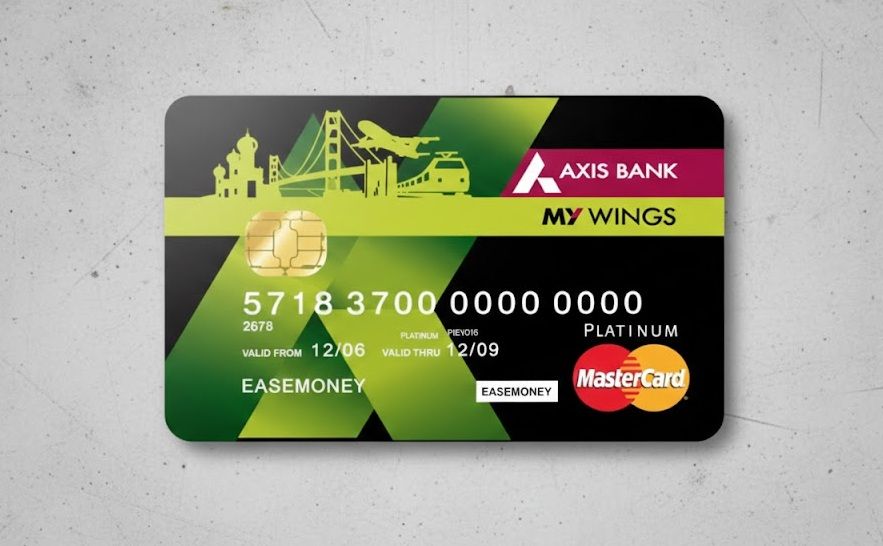
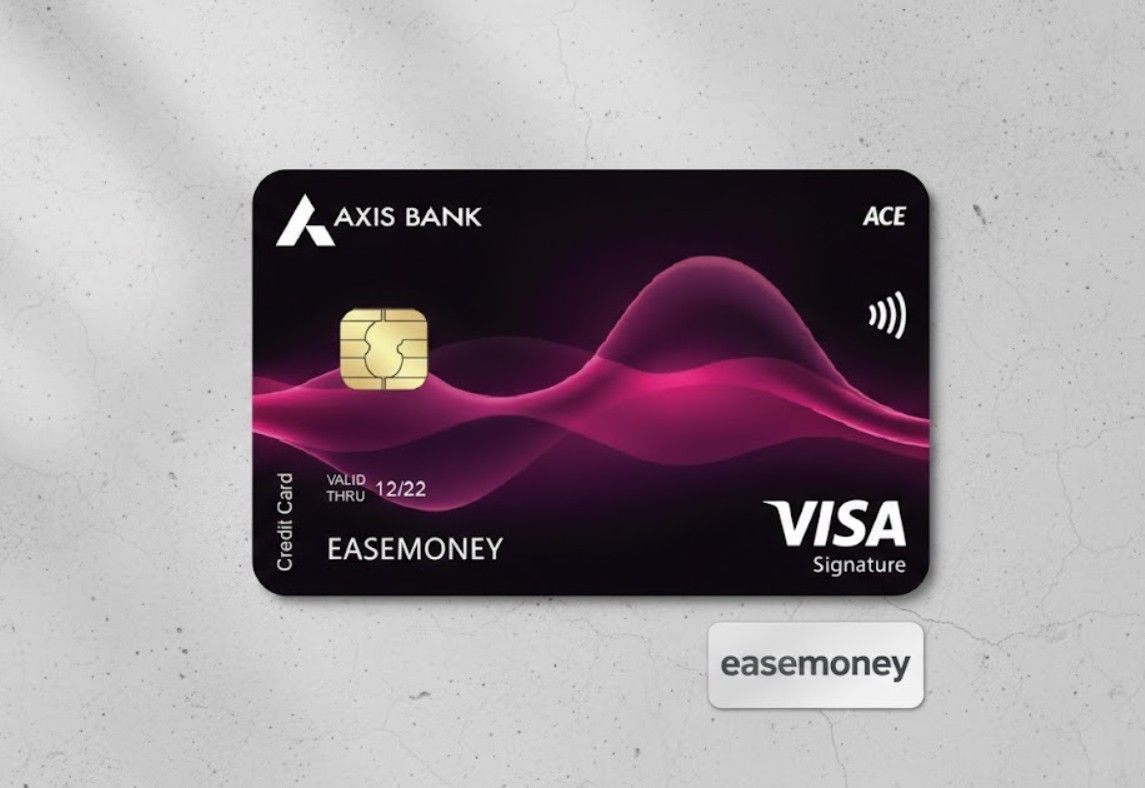
What is a Credit Card?
A credit card is a card given by the bank which lets you use money now and pay the bank later. The bank fixes a spending limit for you — for example, ₹50,000 or ₹1,00,000. You can use this amount for shopping, online payments, booking tickets, paying bills, or sudden needs, even when your savings account does not have enough balance at that moment.
In India (2026), a credit card works as a financial facility where the bank gives you a pre-approved credit line. It is different from a debit card because a debit card uses your own deposited money, while a credit card uses the bank’s money temporarily. After using it, you must return the amount to the bank, usually within about 45–50 days, and during this time, no interest is charged if you pay the full bill on time.
Debit cards and credit cards look the same, but they work very differently. –
| Feature | Debit Card | Credit Card |
|---|---|---|
| Source of Funds | Your own Savings Account. | The bank’s Line of Credit. |
| Spending Limit | Limited by your actual bank balance. | Limited by a pre-set credit limit. |
| Repayment | Instantly, money is deducted immediately. | Monthly, you pay a bill after 20–50 days. |
| Cost to Use | Generally free (except annual fees). | Free if paid in full; 42–48% APR if late. |
| Credit Score | Has no impact on your credit score. | Crucial for building your CIBIL score. |
How to Apply for a Credit Card via Easemoney (Step-by-Step)
Follow these simple steps. The idea is first check the approval chance, then apply — not the other way around.
- Visit the Easemoney card section = Open the credit card page and browse available cards.
- Select your monthly income = Choose the closest income range honestly. Wrong income is a common rejection reason.
- Choose your work type = Select whether you are salaried, self-employed, a student, or a beginner.
- Pick the benefit you want = Example: cashback, fuel saving, travel, shopping, or UPI usage. (This helps filter cards that actually suit your spending.)
- Open the card details page = Read eligibility, minimum income, and main benefits carefully.
- Click “Check Eligibility” = This step only checks your chances. It is not a real application and does not affect your credit score.
- Enter basic details = Provide mobile number and PAN card. (Banks use PAN to check credit profile.)
- See your approval result = If eligible, you will see confirmation and the partner bank option.
- Continue to the bank application = Only now proceed to the official bank form and upload documents if asked.
- Complete verification = The bank may do OTP verification, video KYC, or address check. After approval, the card is dispatched to your address.
Important Tips Before Applying
- Apply for one card at a time
- Match the card with your income category
- Beginners should start with entry-level or FD-based cards
- Clear old EMIs or dues before applying
Too many direct applications create multiple enquiries in your credit report, and banks may reject, thinking you urgently need money.
Note – Easemoney helps you choose the correct card first and apply later. Final approval always depends on the bank’s checks, documents, and your repayment history — but choosing the right category greatly increases success chances.
What are the Card Key Features in 2026
In 2026, credit cards in India will no longer give the same benefits to everyone. Banks now give benefits based on how you actually spend. More focus is on UPI payments, better safety, and rules linked to your usage.
1) UPI-Linked Credit (RuPay Expansion)
The biggest change is that credit cards now work properly with UPI.
- Everyday Credit Use: Now you can scan any shop’s QR code and pay using your credit card limit. Even small payments like kirana shop items, milk, tea stall, or local cafe can be paid on credit.
- UPI Cashback: Some special RuPay credit cards give instant cashback on UPI payments (sometimes up to around 5%) when you pay by scanning QR.
- Reward Limits: Banks have also fixed monthly reward limits. After a certain cashback amount in one month, extra UPI payments will not earn rewards.
2) Security & RBI Rules
The Reserve Bank of India has made new safety rules so users get more control and less fraud risk.
- Two-Factor Authentication: As per The Times of India, from April 2026, every online card payment will require two verification steps (like OTP or biometric). If a platform does not follow this and fraud happens, the responsibility is on the payment platform.
- Weekly Credit Score Update: Your credit card payments now affect your CIBIL score very fast. If you pay late, it can appear in the credit report within about 7 days.
- Tokenisation: Websites and apps cannot store your real card number anymore. Instead, a unique digital token is used, which reduces data theft risk.
- Clear Interest Billing: Banks now charge interest only on the remaining unpaid purchase amount. They cannot charge interest on late fees or taxes.
3) Performance-Based Benefits
Few year back, many cards gave automatic benefits. But now, most benefits depend on spending.
- Lounge Access: Airport lounge entry is not fully free now. Usually, you must spend a minimum amount in the previous 3 months (around ₹20,000–₹50,000) to activate it.
- Reward Restrictions: Banks have reduced reward categories. In 2026, payments like rent, fuel, insurance, utilities, and government payments often do not earn reward points.
- AI Support in Apps: Bank apps now show reminders, best repayment options, and spending advice automatically based on your usage.
4) Tax & Reporting Rules
Government monitoring has also increased for high-value activity.
- If total yearly credit card bill payments cross ₹10 lakh (non-cash), banks may report it.
- If you pay more than ₹1 lakh in cash toward credit card bills, it can also be reported.
These rules mainly help the income-tax department track large financial transactions.
How the Credit Card Bill Works
A credit card bill is simply the monthly report of what you spent over the last 30 days. The bank writes down all your payments, then sends one combined bill. If you understand the dates properly, you can use the card almost like an interest-free loan. If you ignore it, it becomes very expensive.
1) The Three Important Dates
| Term | What it means | Why it matters |
|---|---|---|
| Statement Date | The day the bank closes the month’s record and creates your bill | All spending after this date goes to the next month |
| Billing Cycle | Around 28–31 days between two statements | This is the period your purchases are counted |
| Payment Due Date | Around 18–25 days after the statement | Last day to pay without penalty or interest |
Simple understanding: The statement date ends your month. The due date is your deadline.
2) Interest-Free Period (Most Important Concept)
Credit cards do not charge interest immediately. You get time to repay. Usually, you get about 20 to 50 days to pay.
- If you purchase just after the statement date → you get maximum time (around 45–50 days).
- If you purchase one day before the statement → you get very little time (around 20 days).
So, same card but different timing = different benefit.
3) Total Amount vs Minimum Amount
Every bill shows two numbers.
- Total Amount Due – This is the full bill. Pay this, no interest at all.
- Minimum Amount Due (MAD) = Usually about 5% of the bill.
Many people think this is enough. It is not. If you only pay MAD:
- No late fee
- But the remaining amount starts with heavy interest (around 3.5%–4% per month)
- New purchases also start accruing interest immediately
This is where most people fall into debt.
Different Types of Credit Cards in India (Popularity-wise)
You can understand it like this:
- 2010-2024 = normal credit card era (swipe machine, online shopping mainly)
- 2025 and Above = new-age credit card era (UPI scan, app control, rewards based on usage)
Banks are not giving one-type card anymore. Now every card is made for a specific spending habit.
1) Cashback & Online Shopping Cards (Most Popular)
These are still the number-one choice in India because people want a simple benefit. real money back, not complicated points.
- Who uses it: People who order from Amazon, Flipkart, food delivery, and pay online bills regularly.
- Why popular: Instead of reward points, you directly get cashback in your statement or wallet. Easy to understand, no confusion.
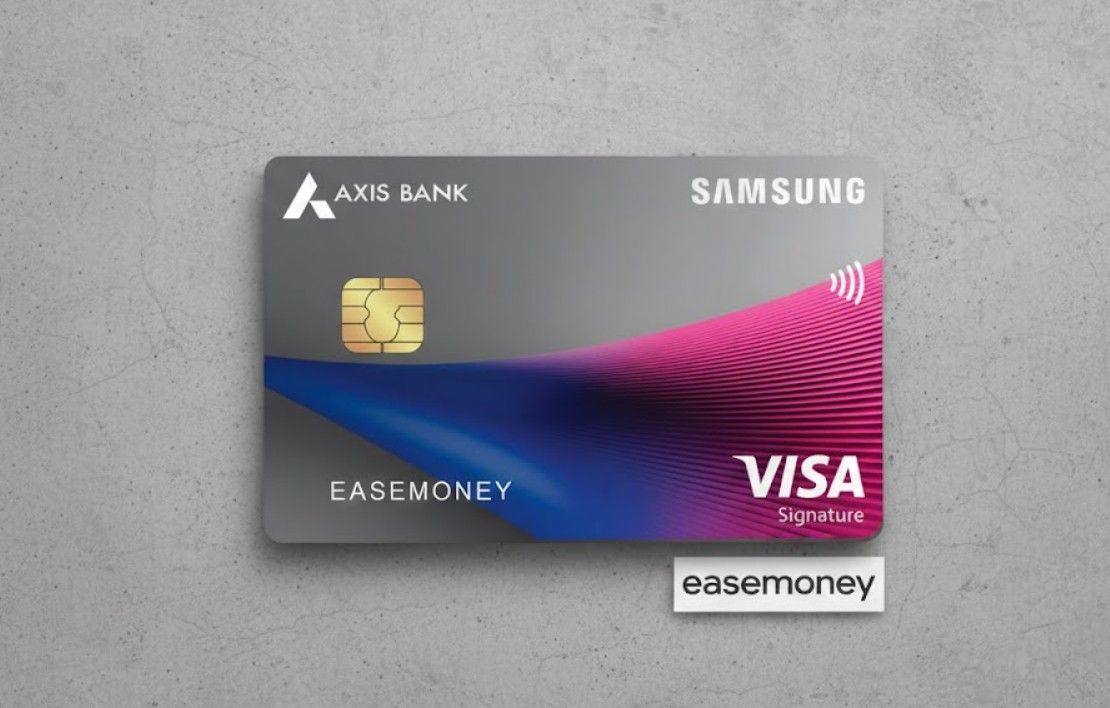
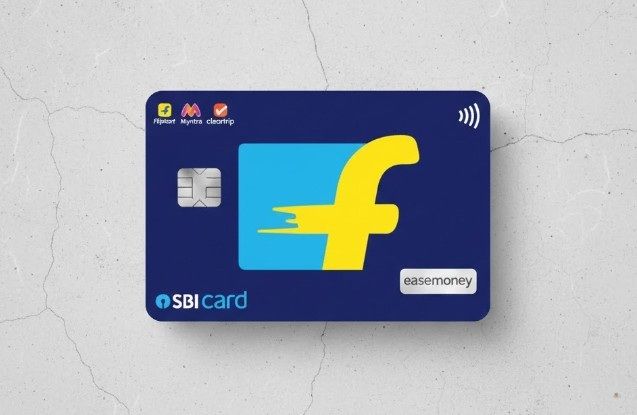
- Typical benefit: Around 5% cashback on online shopping, such as Axis Co-partner Cards like Flipkart or Samsung Card.
- Extra offers during sales and a lifetime free offer.
For most middle-class users, this is the “safest first credit card”.
2) UPI-Linked (RuPay) Credit Cards
This is the biggest change in 2026. Now you don’t need a swipe machine. You open the UPI app → scan QR → payment goes from the credit card limit. So even a ₹20 tea stall payment can be done on credit.
- Who uses it: Daily spend users — auto, metro, grocery, medical store, small shops.
- Why grow fast: Works everywhere UPI works, Small payments possible, and some cards give cashback on QR payments
Basically, the credit card has entered the kirana stores now.
3) Lifetime-Free (LTF) OR Beginner Cards
These cards have a zero yearly fee. Banks give them to new earners to start a credit history.
- Who uses it: First job salary, people, students, and first-time card users.
- Why important: Your credit score (CIBIL) starts only after you use a credit product. These cards are mainly for building trust with banks, not for big rewards.
Think of it as a “starter card”.
4) Travel & Lifestyle Cards
These are premium cards. Earlier, lounge entry was automatic. Now, you must spend money first to unlock benefits. Example: Spend ₹20k–₹50k in 3 months → then lounge allowed.
- Who uses it: frequent flyers, business travellers, high-salaried professionals.
- Benefits usually include: Airport lounge, hotel discounts, golf course, and travel reward points.
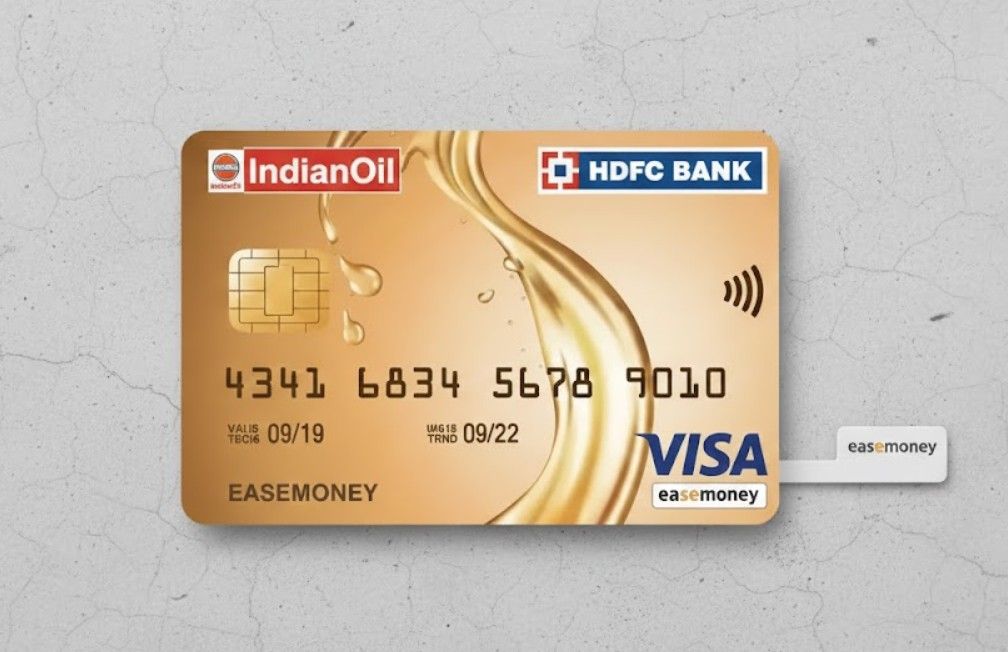
5) Fuel & Utility Cards (Special Purpose)
Not very common, but very useful for specific people. Daily bike/car users, delivery workers, or families with high electricity and gas bills. Main benefits: Fuel surcharge waiver, Extra rewards at petrol pumps, and Bill payment benefits.
- Fuel Surcharge Waiver – Petrol pumps charge around 1% extra. Many cards remove this charge, so you save a little money every time you fill fuel.
If someone spends a lot on petrol every month, this card can save real money.
6) Secured Credit Cards (FD-Based)
A secured credit card is given against a fixed deposit (FD) in the bank. You first keep money in an FD, and the bank gives a credit card limit based on that amount (usually 80–90% of the FD value). The basic goal for this card is start a credit history for a student, newbie, housewife, or someone who never used it.
- Who it helps most: Students, freelancers, new job holders, or anyone who has no credit history yet.
- Why banks give it easily: Because your FD works as security, so the bank has very low risk.
Example: IDFC WOW, SBM ZET — considered one of the safest ways to begin using a credit card and start a credit record.
What are the Top Lifetime-Free Credit Cards in India (2026) — Quick Comparison
(Lifetime free = no yearly/annual fee. You can keep the card for years without renewal charges.)
| Card Name | Bank | Best For | Simple Reason People Choose It |
|---|---|---|---|
| Amazon Pay ICICI | ICICI Bank | Online shopping | Direct cashback in Amazon wallet, no reward-points headache |
| IDFC FIRST Wealth | IDFC FIRST Bank | Higher monthly spenders | Better rewards, low forex charges, travel benefits |
| Kiwi RuPay | Partner banks | UPI daily payments | Scan QR at kirana shops and pay on credit + small cashback |
| AU LIT | AU Small Finance Bank | Flexible users | You can switch card benefits from the app anytime |
| IndusInd Legend | IndusInd Bank | Weekend lifestyle | Dining, shopping rewards and lounge access |
| MagniFi | Federal / AU partner | Brand shoppers | Cashback mainly on partner brands and stores |
| HSBC Visa Platinum | HSBC Bank | First-time card users | Easier approval and milestone rewards |
| Axis Neo | Axis Bank | Food & bill payments | Discounts on food apps and utility bill savings |
| Scapia | Federal Bank | Foreign travel | Zero forex markup on international payments |
| IDFC FIRST Millennia | IDFC FIRST Bank | Young earners | Good starter card and easy credit score building |
If someone wants a zero annual fee and low interest, these cards are popular because you get real benefits while learning how to handle a credit card safely. Many people actually start their financial journey with one of these and later upgrade to bigger cards.
Who Can Get a Credit Card in India? (Eligibility, Documents)
Banks don’t give a credit card randomly. They first check one thing — can you repay the money on time or not. Approval mainly depends on your income, job stability, and past payment record (credit history). Most banks first approach account holder a credit offer, where the process is too smooth.
Basic Eligibility (General Rules)
- Age: Usually 21–65 years (some beginner cards allow 18+)
- Credit Score: Around 700–750+ preferred by banks
- Resident Status: Mostly Indian residents (separate options for NRI)
- Active Bank Account: Needed for billing and repayment tracking
If your score is low or you never used credit before, the bank does not refuse immediately — they just become careful.
| Applicant Type | Typical Requirement | Approval Difficulty |
|---|---|---|
| Salaried Employee | ₹15k–₹25k+ monthly salary, stable job | Easy |
| Self-Employed / Business | ITR ₹2.5–₹6 lakh yearly, 1–2 yrs business proof | Medium |
| Students / First-time Users | Age 18+, no credit history | Medium |
| Homemaker / No Personal Income | Add-on card or own FD deposit | Medium |
| No Job / Very Low Income | Fixed deposit (example ₹2,000 FD) | Easy (via FD method) |
Documents Usually Required
- PAN card (mandatory)
- Aadhaar / Passport / Voter ID (address proof)
- Salaried: last 3 salary slips + bank statement
- Self-employed: ITR + business proof
- Students: college ID (sometimes guardian details)
Card-to-Card Approval (Important)
If you already have one card, getting another becomes much easier.
- Existing card age: 6 months or more
- Limit: around ₹30,000+
- No late payment history
Many banks then approve a second card without asking for salary proof again.
Other Helpful Points (Important)
- Your first card is the toughest to get because banks don’t yet know your repayment habits.
- After 3–6 months of proper usage and on-time payment, approval chances improve quickly.
- Banks mostly check your credit history, not just your salary. A small salary with a good payment record often gets approval faster than a high salary with missed EMIs.
- If you have no credit history, starting with an FD-based secured card is usually the safest path.
- Once you hold one active card (6+ months old), many banks approve another card without fresh income proof.
In simple words, banks are not looking for rich customers, but they are looking for reliable payers.
Credit Card Charges in India (Know Before You Apply)
A credit card feels free at first, but the real cost appears only when the rules are ignored. Almost every charge also adds 18% GST, so small fees quickly grow.
Main Charges
| Charge Type | Typical Cost | When It Applies |
|---|---|---|
| Interest (Finance Charge) | ~1.99%–3.99% per month (24%–50% yearly) | When full bill is not paid |
| Joining Fee | ₹0–₹5,000+ one time | At card activation |
| Annual Fee | ₹0–₹5,000 yearly | Charged every year unless waived |
| Late Payment Fee | ~₹400–₹1,300 | Missing due date or minimum payment |
| Cash Withdrawal Fee | 2.5%–3% (min ₹300–₹500) | Using card at ATM |
| Forex Markup | 1.5%–3.5% | Paying in foreign currency |
Important Things Most Beginners Don’t Know
- Paying even ₹1 less than full bill removes your interest-free period
- Interest usually applies on the entire outstanding amount, not the small balance
- The annual fee is often waived if yearly spending crosses about ₹1 lakh
- Late payment hurts a credit score immediately, even before heavy penalty
Other Small but Common Charges
- Over-limit fee (spending above limit) ~2.5%
- Reward redemption fee (~₹99 in some banks)
- Fuel surcharge ~1% (many cards refund it)
- EMI conversion processing fee (varies by bank), you can use this Credit Card EMI Calculator With GST, that help to find the processing fee.
Safety Advice
- Always pay the full bill before the due date
- Never withdraw cash from an ATM using a credit card
Simple truth: The card itself is not expensive — interest and delay make it expensive.
Credit Card Advantages, Risks & Safe Behaviour (India – Do & Don’t)
In 2026-2027, credit cards give good benefits, but mistakes show quickly because banks now update credit records very fast. One missed payment or heavy usage can affect your score within days. So the card works well only with simple discipline.
Real Life Do & Don’t Table
| Do (Safe Habit) | Don’t (Risky Habit) |
|---|---|
| Pay the full bill amount before due date | Paying only minimum due every month |
| Keep usage below ~30% of limit | Using full limit because it is available |
| Turn on SMS/app alerts for each transaction | Ignoring unknown small transactions |
| Use card for planned expenses (bills, shopping) | Spending extra only for reward points |
| Block your card immediately if lost | Waiting and hoping fraud stops |
| Use bank app for last-day payment | Paying late through random third-party apps |
| Keep international payments OFF by default | Leaving all transaction options active |
| Check statement every month | Never reading the bill details |
| Keep 1–2 cards maximum | Applying many cards together |
| Use UPI credit for small payments carefully | Treating it like free money |
Advantages (Why People Use It)
- About 45–50 days payment time without interest
- Cashback and discounts on daily spending
- Safer than a debit card for online transactions
- Builds a credit score for future loans
- Useful in an emergency when cash is low
Risks (Where Trouble Starts)
- Interest can reach ~40%+ yearly if the bill is not cleared
- Weekly reporting means a late payment damages score quickly
- Extra charges like forex fees and GST on penalties
- Overspending because the limit feels like extra salary
Expert advice: Use a credit card like a payment method, not like a loan. If you control spending, the card helps you. If not, it controls your budget.
FAQs
Will checking eligibility reduce my CIBIL score?
No. An eligibility check is a soft enquiry. It does not impact your CIBIL score. Score drops only when you submit a full bank application and credit bureau hard enquiry happens officially.
Minimum salary required for the first credit card in India?
In 2026, most entry cards require a monthly salary of ₹15,000–₹20,000. Some banks even approve FD-based cards without income if you keep ₹5,000–₹20,000 fixed deposit as security limit.
I have no CIBIL score. Can I still get a credit card?
Yes. Students and beginners usually start with secured cards or beginner cards. Use the card 3 months, pay bills on time, and your first CIBIL score will generate automatically.
Is a lifetime free credit card really free forever?
If the bank officially marks the card LTF, no joining or annual fee is charged permanently. Only late payment, EMI interest, or cash withdrawal charges apply when you use incorrectly.
What happens if I pay only the minimum amount due?
The bank will not mark you a defaulter, but interest starts immediately at around 3% monthly. ₹10,000 unpaid can become ₹13,000–₹15,000 within a year if repeatedly rolled forward.
How many credit cards should a beginner keep?
Start with one card only. After six months you may add second card. More than three cards early confuses spending tracking and increases rejection chances during future loan applications.
Can I use credit card for UPI payments in local shops?
Yes, RuPay credit cards work on PhonePe, GPay and BHIM. You can scan QR at kirana stores, medical shops, dairy booths and earn rewards on even ₹20–₹100 payments.
Why did bank reject my credit card even with salary?
Common reasons include recent loan enquiry, unstable job history, low bank balance, overdue EMI, or applying premium card beyond income bracket. Most rejections are category mismatch, not income.
- RuPay vs Visa vs Mastercard (Full Comparison)
- What is Overlimit Fee? All Banks
- How to Cancel a Credit Card
- HDFC Regalia Lounge Access
- ICICI Coral Credit Card Free Lounge Access
- SBI Card Prime Lounge Access List
- Increase Credit Card Limit in India (All Banks)
- Visa Signature vs Visa Platinum explained
- Top 10 Credit Cards for Unlimited Lounge
- What is Fuel Surcharge And Waiver?